Free Shipping
179.00 USD
ON SALE! 30% OFF
Was: 259.00 USD

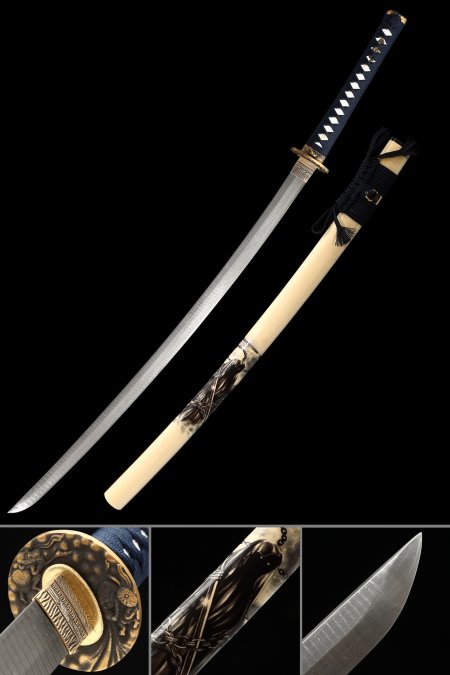
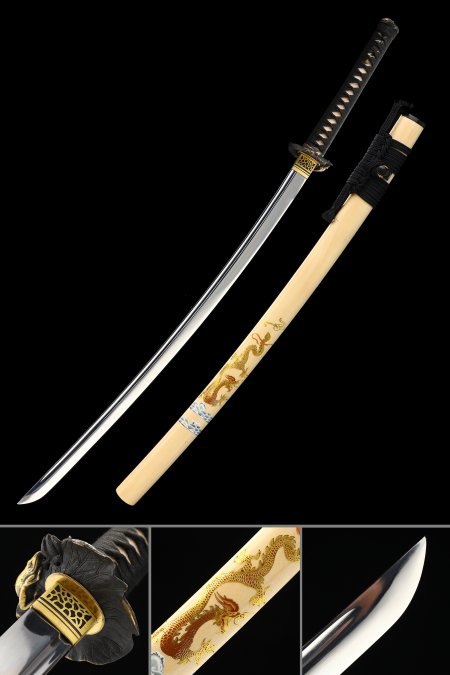
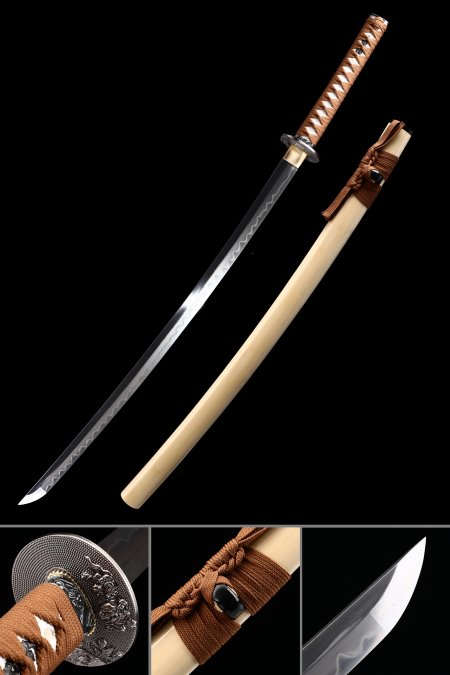
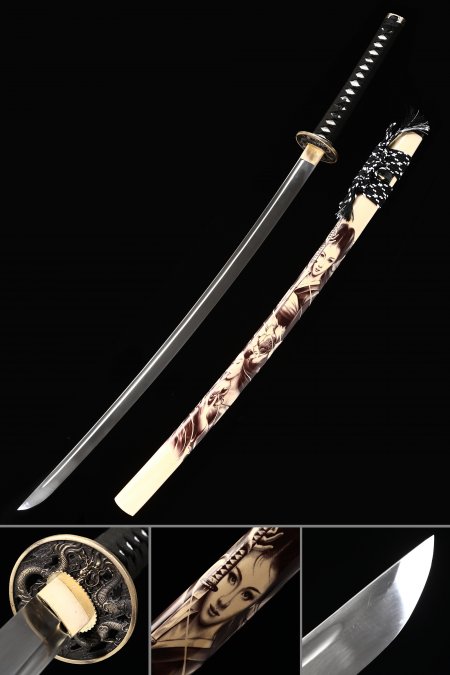
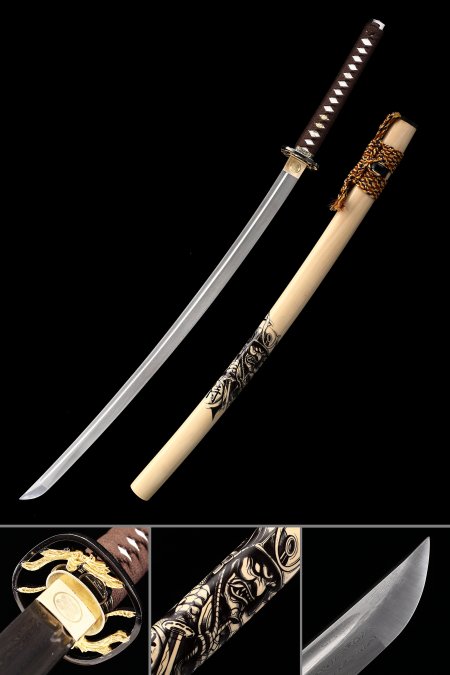
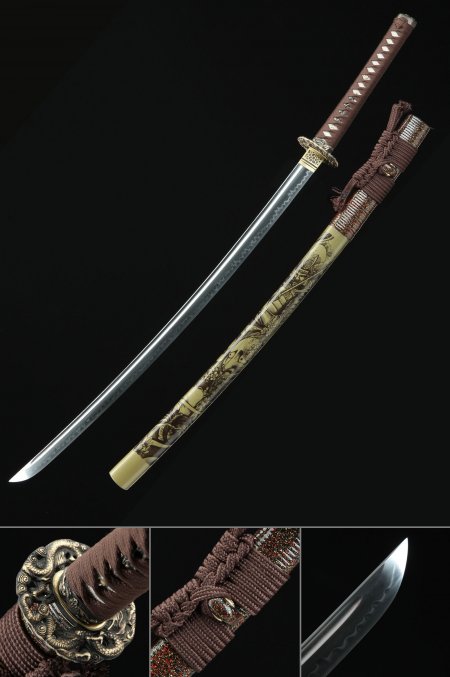
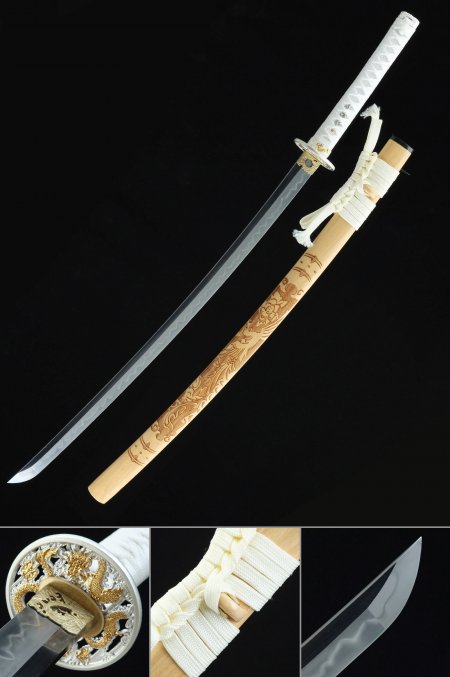
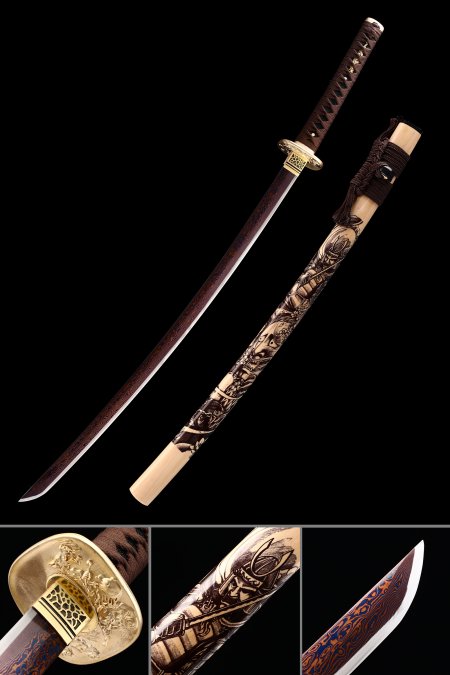
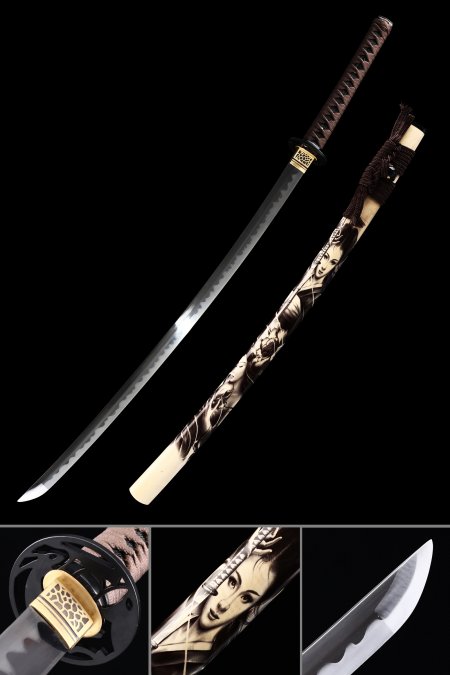
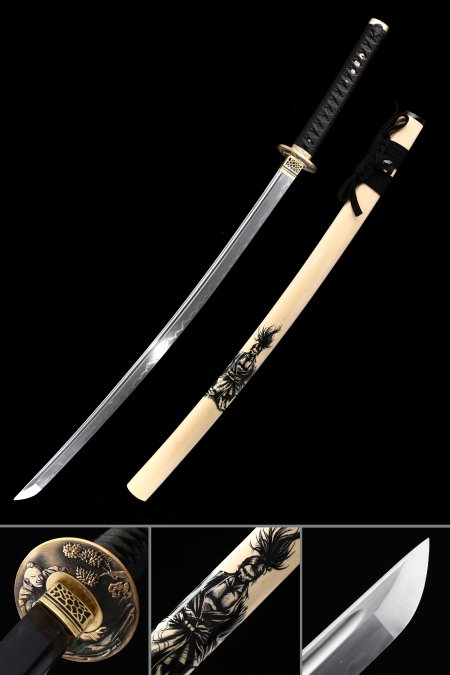
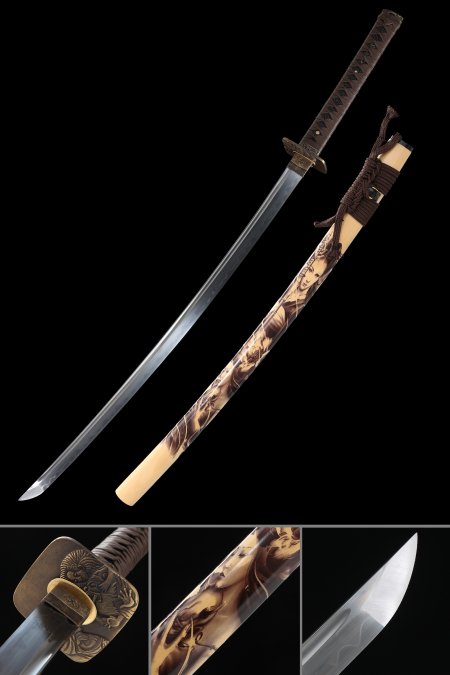
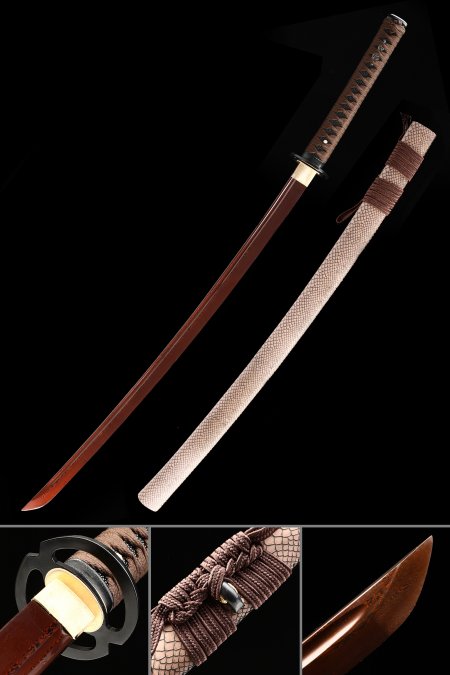
Beige saya katana collectibles bring together the quiet sophistication of natural hardwood scabbards and the refined artistry of traditional Japanese sword craft. Each piece in this collection features hand-finished saya in warm beige and cream tones, paired with carefully selected steel blades, ornate tsuba, and wrapped tsuka that reflect authentic construction methods prized by serious collectors. Enjoy free standard shipping on your order, and shop with confidence knowing hassle-free returns are always available.
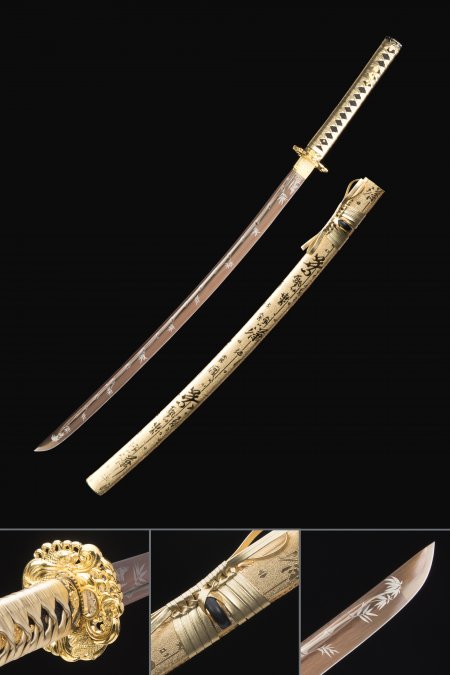
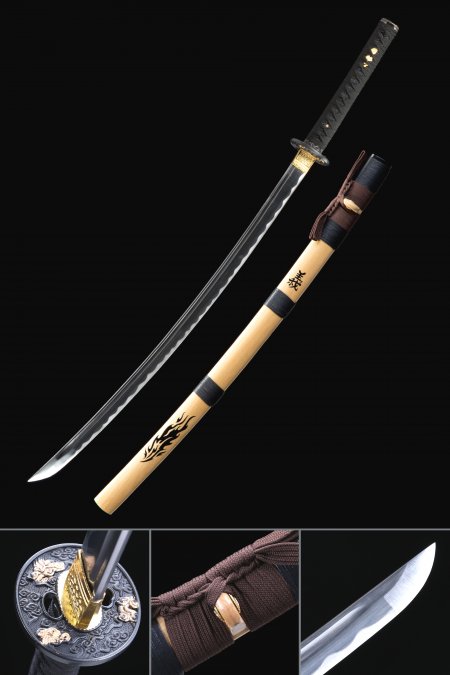
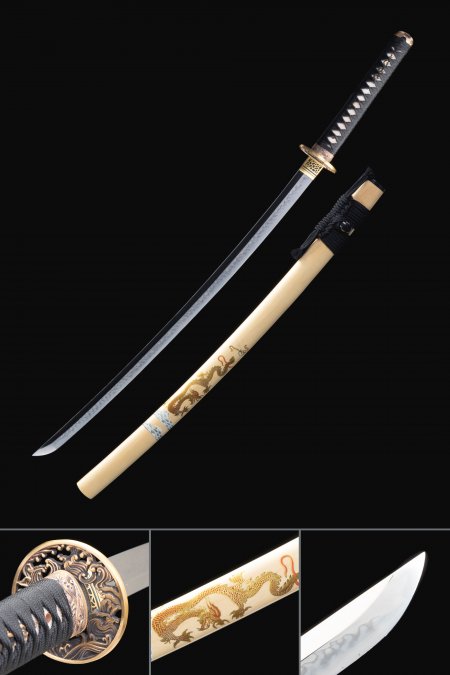
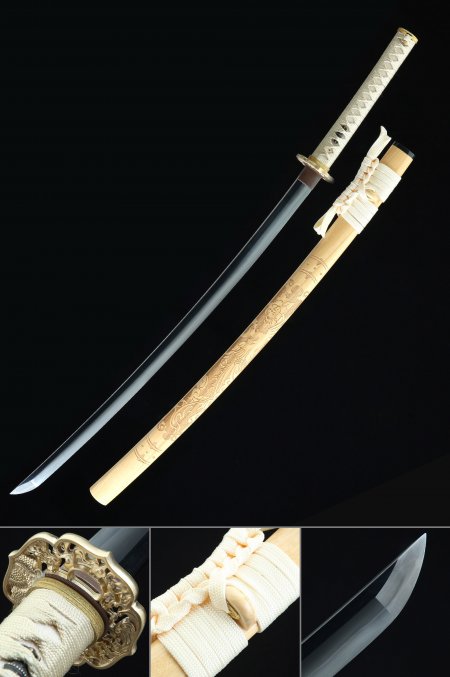
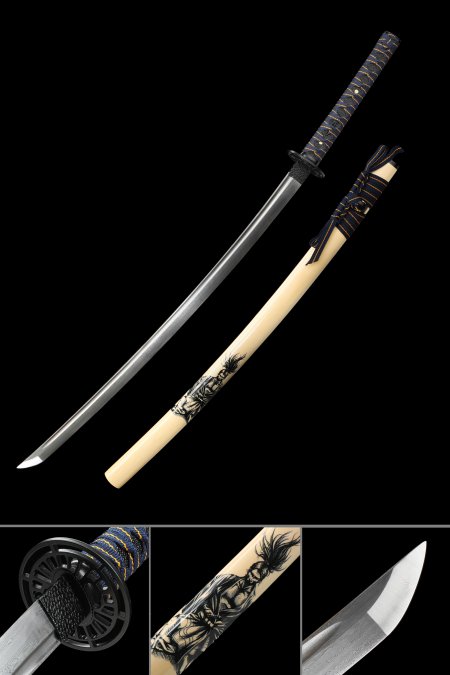
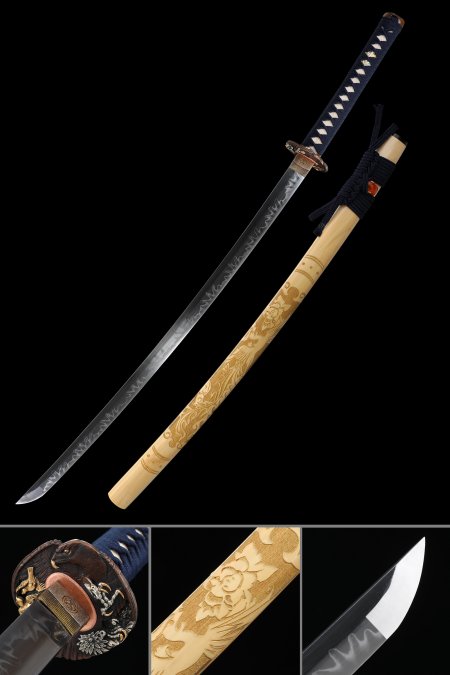
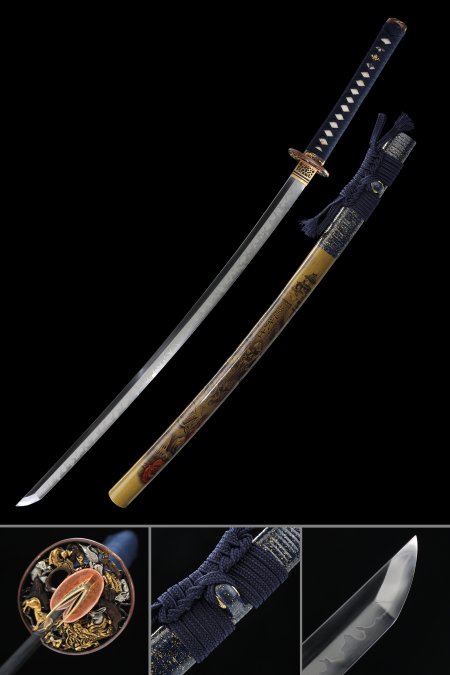
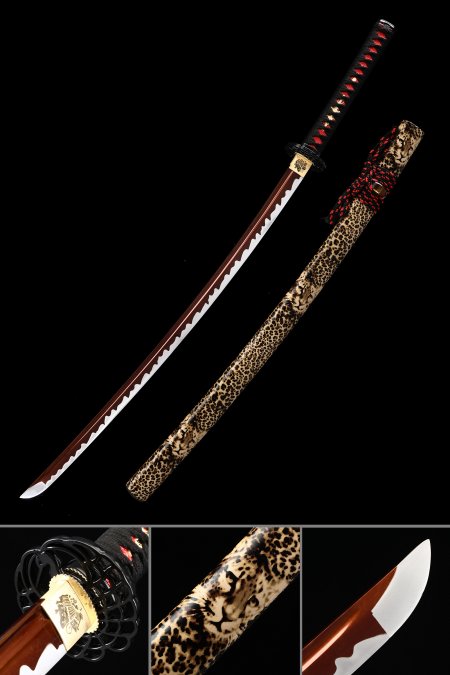
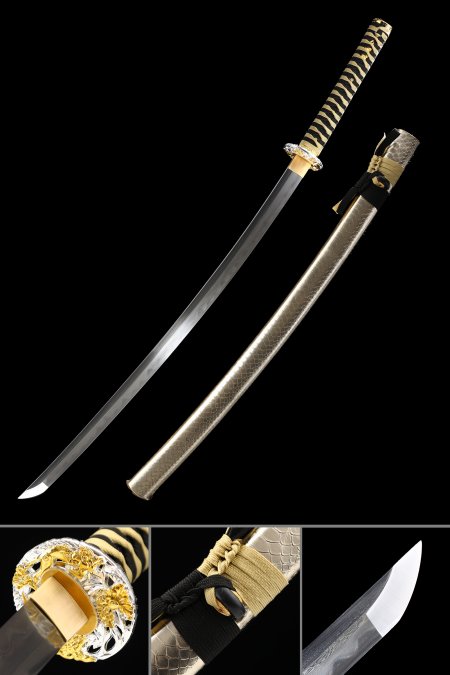
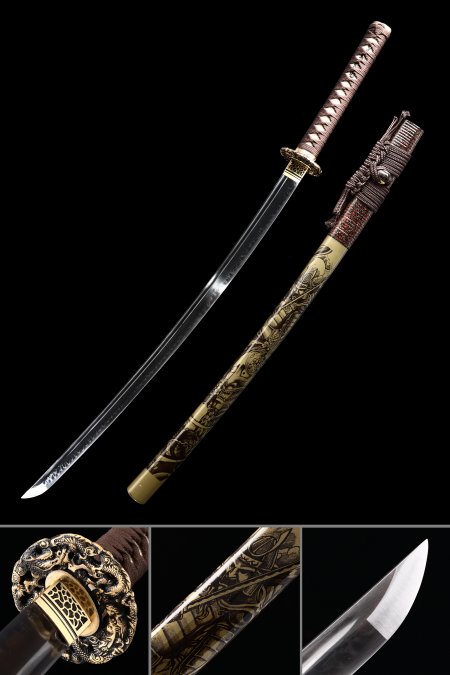
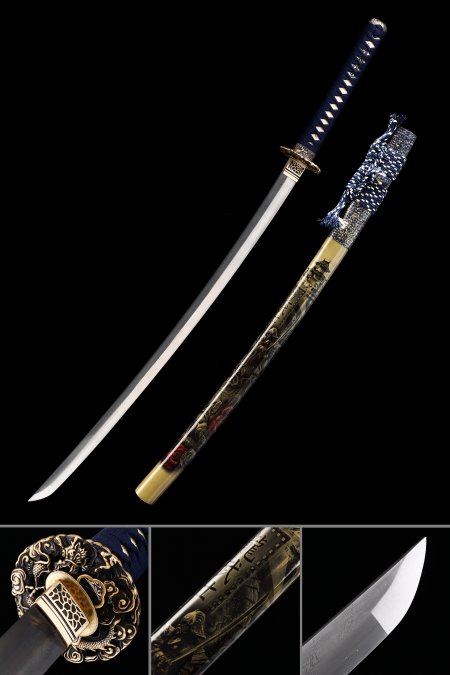
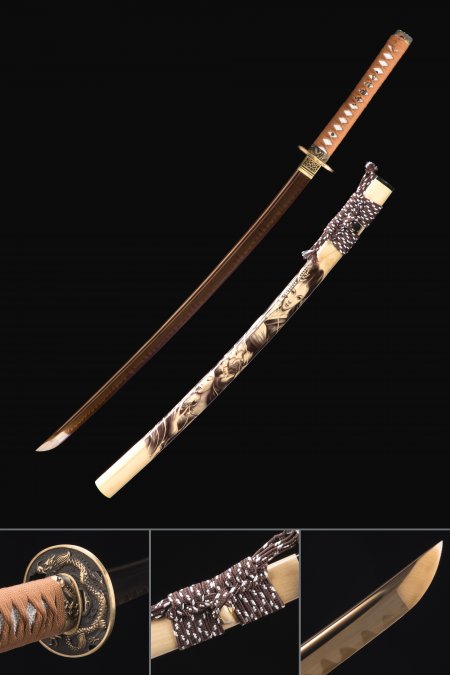
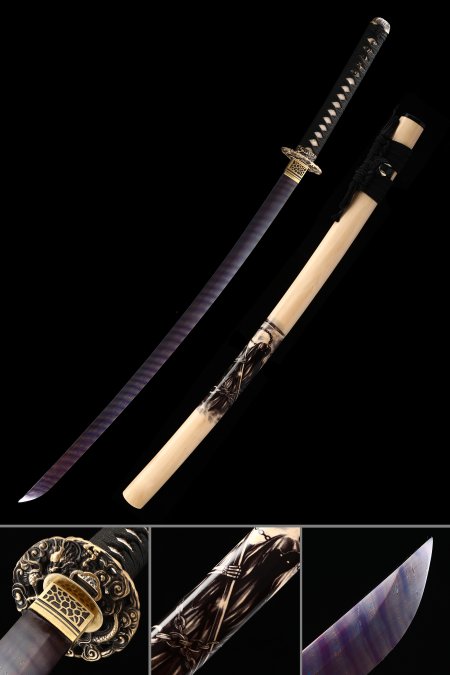
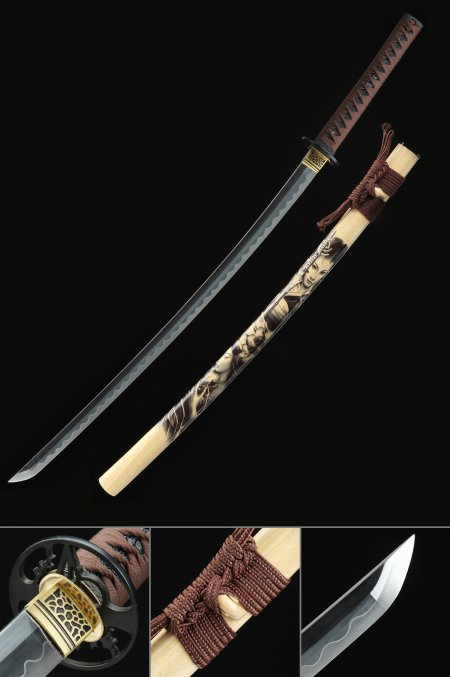
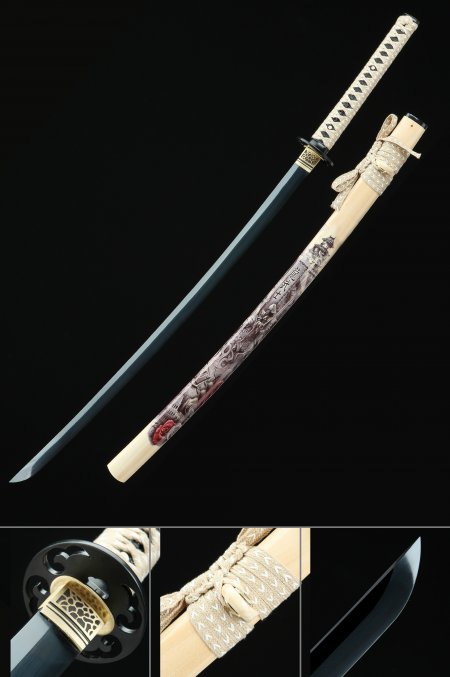
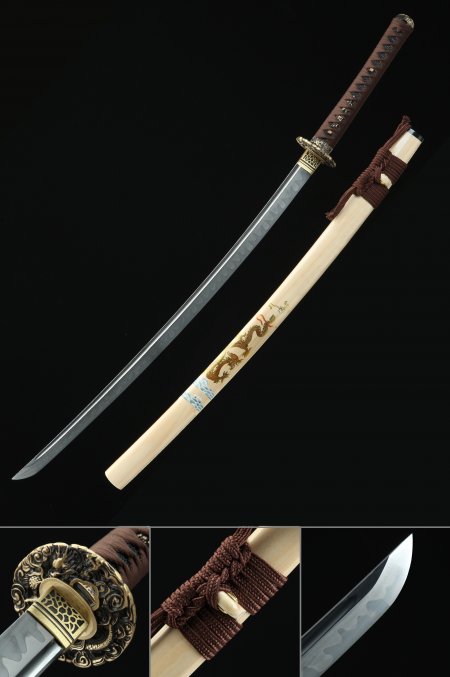
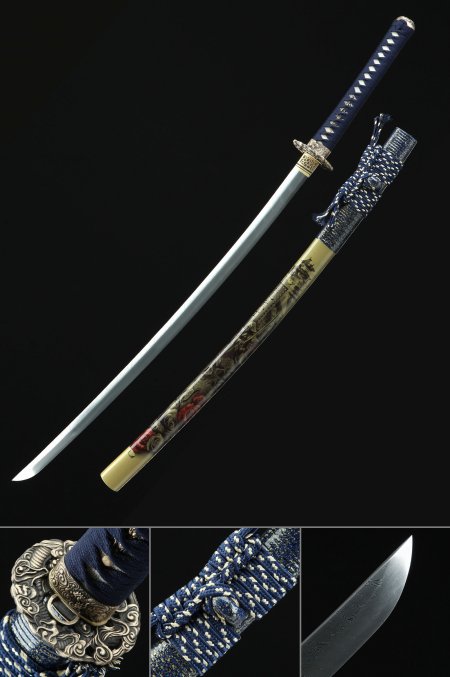
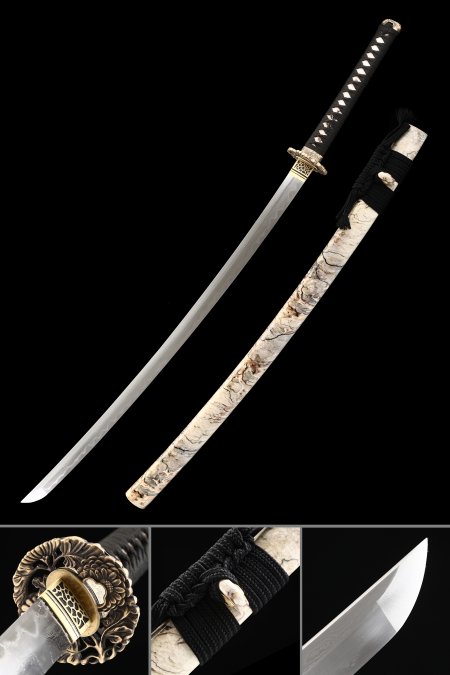
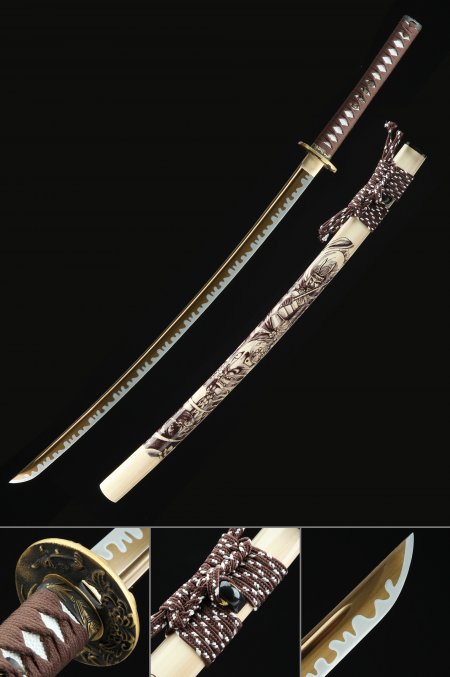
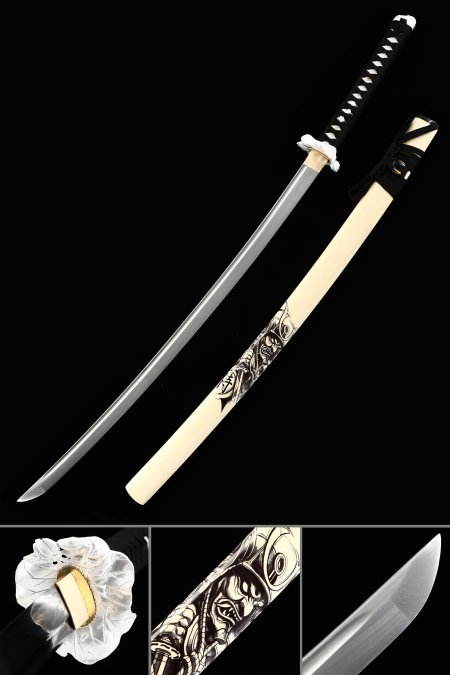
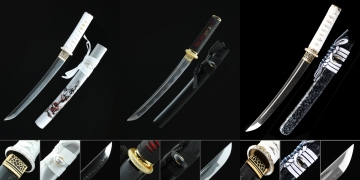
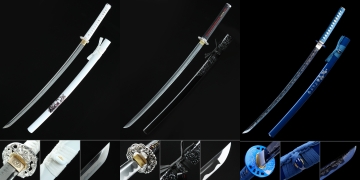
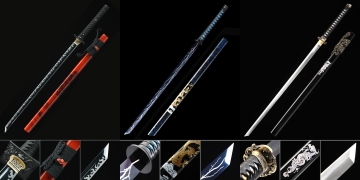
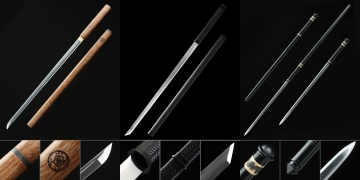
The two swords are fantastic, truly the best sword I've ever had in hand. They didn't take too long to arrive either, the only problem I have is that one sword is very different to unsheathe and ensheathe. It seems like the cut in the sheathe is off, but otherwise everything is great and would definitely order again.r
r
The first two are the ones I received from "TrueKatana". The topmost sword is the one with the sheathing problem.
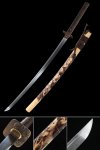 |
T10 Carbon Steel Katana with Clay Tempered Real Hamon in Hand-Painted Beige Saya with Copper Fittings |
Beautiful blade, and great made handle and sheath! Didn't take too long for shipping and wall holder is so beautiful 😍
|
T10 Carbon Steel Katana with Clay Tempered Real Hamon in Hand-Painted Beige Saya with Copper Fittings |
My first Katana, it looks amazing, It feels great definitely will buy another soon.
|
T10 Carbon Steel Katana with Clay Tempered Real Hamon in Hand-Painted Beige Saya with Copper Fittings |
Sword is legit and authentic. I definitely recommend.
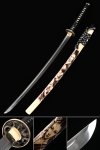 |
Spring Steel Dragon Katana with Geisha-Painted Hardwood Saya in Black Ito and Snake Tsuba Collectible Sword |
Exactly as pictured, very sharp, and very sturdy (my husband immediately started chopping at branches with it). The Damascus looks sick irl
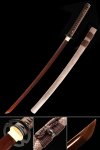 |
Damascus Steel Red Blade Katana Sword with Python-Theme Saya and Brown Ito Wrap |
This was the 3rd sword I've received from True Katana recently and once again exquisite. It arrived on time well packaged in perfect condition and is sharp as all 3 from True Katana have been and it is absolutely beautiful. True Katana blades are top notch and priced well. True Katana not only has my trust but my loyalty. Excellent customer service and quality real deal blades each masterfully crafted with attention to detail. I highly recommend True Katana...
|
Spring Steel Dragon Katana with Geisha-Painted Hardwood Saya in Black Ito and Snake Tsuba Collectible Sword |
Bought as a gift for my boyfriend, he loved it so much he cried. The details are amazing and the quality is way better than expected.
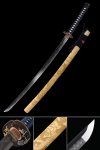 |
T10 Carbon Steel Katana with Engraved Natural Wood Saya in Dark Blue Tsuka-Ito |
Fantastic craftsmanship. Truly beautifully built. I’d recommend buying from this sight. This was my first and I’ll probably start collecting now because of how amazing this one is. Good job truekatana
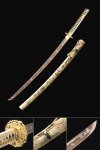 |
Golden 1045 Carbon Steel Katana with Bamboo Engraved Blade and Kanji Saya - Full Tang Collectible Sword |