
Bronze Damascus Steel Tachi Swords
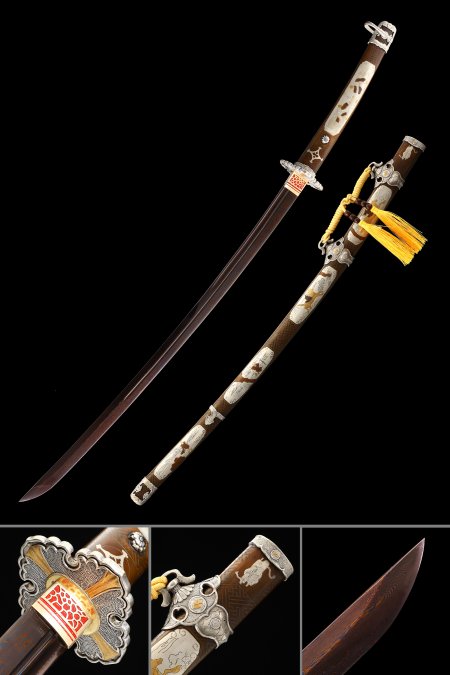
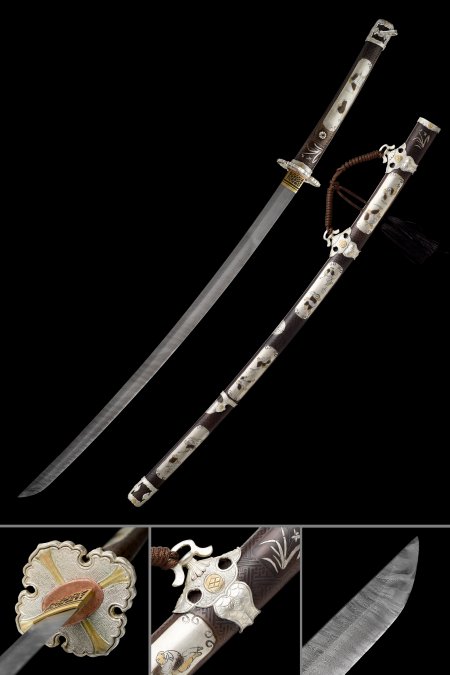
Bronze Damascus steel tachi swords represent a rare convergence of ancient metallurgical artistry and classical Japanese blade aesthetics. Each piece in this collection is hand-forged to showcase the flowing layered patterns unique to Damascus construction, finished with bronze-toned fittings that evoke the warmth of early imperial Japanese craftsmanship. These tachi are crafted as premium display collectibles and thoughtful gifts for discerning enthusiasts. Enjoy free shipping on your order, plus a hassle-free return policy for complete peace of mind.
Related Collections
Damascus Steel Wakizashi25 items
Damascus Steel Sword78 items
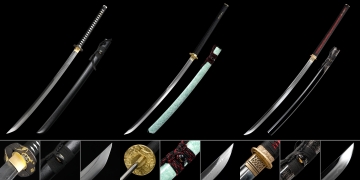
Damascus Naginata4 items
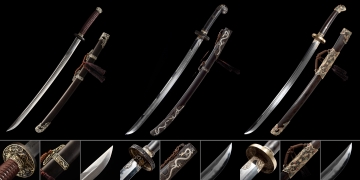
Damascus Broadsword7 items
Frequently Asked Questions
What makes Damascus steel visually distinct on a tachi blade?
Damascus steel is produced by forge-welding multiple layers of steel together, then repeatedly folding and drawing out the billet. When the finished blade is acid-etched during the polishing process, differential oxidation between the steel layers reveals flowing, contour-like surface patterns - sometimes described as woodgrain, water ripples, or flowing smoke. Because the pattern emerges from the actual internal structure of the steel rather than surface treatment alone, no two Damascus blades carry an identical design. On a tachi, where the longer blade length provides a wider and more extended surface, these patterns have more room to develop across the flat, making the visual effect especially pronounced and collectible as a display centerpiece.
How does a tachi differ from a katana in terms of design?
The tachi is generally longer than a katana, with a nagasa (blade length) that often exceeds 70 cm, and features a more pronounced curvature along the spine. Historically, it was worn suspended from the belt with the cutting edge oriented downward - the opposite of how a katana is carried. This difference in carry orientation influenced the curvature direction and the placement of the signature (mei) on the tang. From a collector's standpoint, the tachi's greater length and deeper curve give it a more dramatic visual profile, and the additional blade surface provides a larger canvas for elaborate Damascus layering or decorative polishing. The overall aesthetic reads as more classical and court-influenced compared to the katana's associations with the later Edo period.
What do the bronze-toned fittings contribute to a tachi collectible?
Bronze-toned fittings - applied to components like the tsuba (guard), fuchi (collar), and kashira (pommel cap) - introduce a warm amber-gold palette that contrasts elegantly with the silver-grey patterning of a Damascus blade. This color pairing evokes the aesthetic sensibility of early Japanese imperial metalwork, where mixed-metal hardware was standard on high-status pieces. For display purposes, bronze tones also age gracefully, developing subtle depth over time rather than the stark brightness of raw silver hardware. Collectors who prioritize visual cohesion across a display wall or stand often find that bronze-fitted tachi pair well with natural wood furniture and lacquered scabbards in deep red or brown tones.
How should I store a Damascus tachi to preserve its appearance?
The layered structure of Damascus steel is not significantly more reactive than standard high-carbon blades, but the etched surface can show fingerprint oils and humidity effects more visibly due to the contrasting layer tones. For display storage, keep the tachi horizontal on a dedicated sword stand in a climate-controlled interior space away from direct sunlight and moisture. Before placing the blade in the saya for extended storage, apply a thin coat of choji oil or a neutral mineral oil along the entire blade surface using a soft, lint-free cloth. Wipe away any excess to prevent oil pooling near the habaki. Re-oil every two to three months for ambient display conditions, or more frequently in humid coastal environments. Avoid storing the blade in a tightly sealed synthetic bag, as trapped moisture is more damaging than ambient air.
Is a bronze Damascus tachi a good gift for a Japanese sword enthusiast?
For a collector who already owns standard katana pieces, a bronze Damascus tachi offers meaningful variety - a different blade geometry, a historically distinct carry tradition, and a more visually complex surface pattern. The combination of Damascus layering and bronze fittings reads as considered and specific rather than generic, which experienced collectors tend to appreciate. If the recipient values display aesthetics, pairing a tachi with a complementary tanto from our Damascus Steel Japanese Tanto collection creates a cohesive matched set that displays well together. For gifting purposes, the tachi format also has a ceremonial weight to it - its association with classical Japanese court culture gives it a gravitas that shorter blade forms do not carry in quite the same way.


