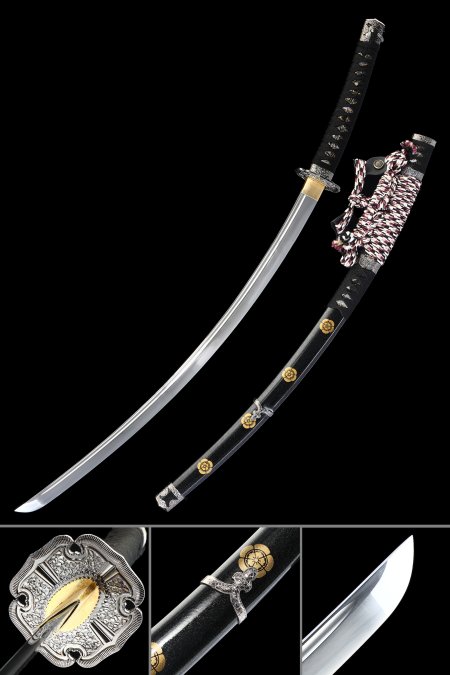
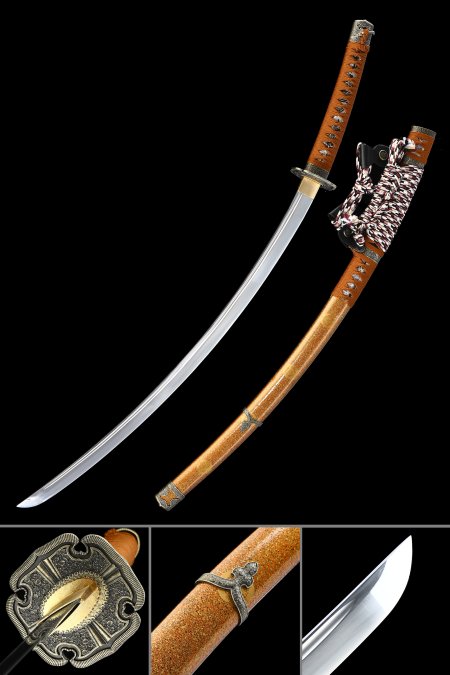
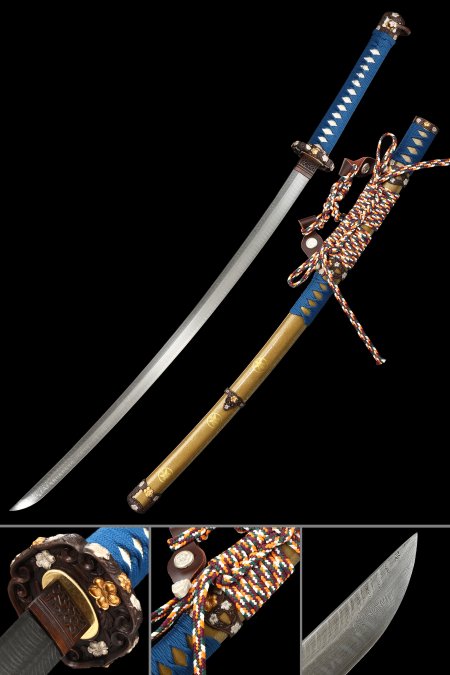
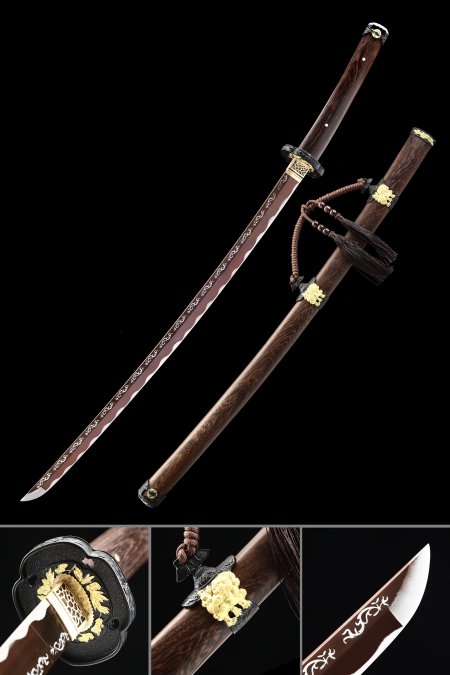
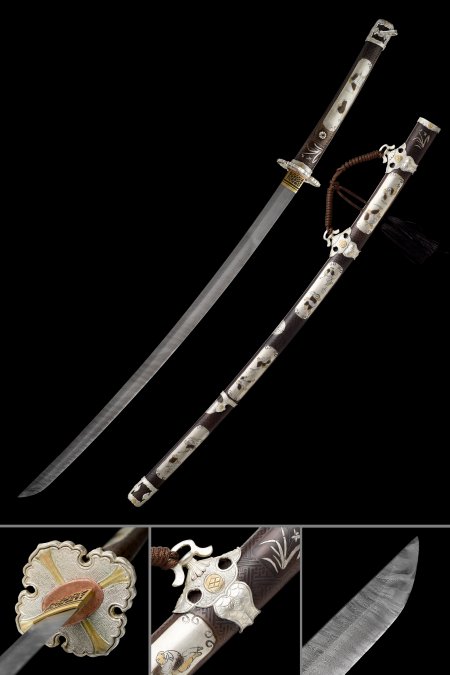
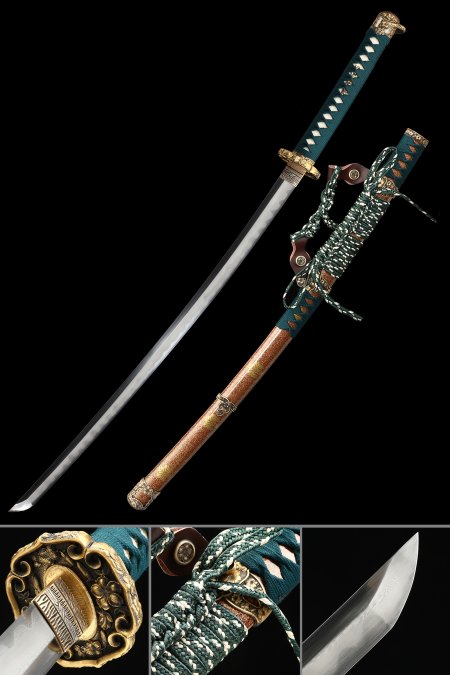
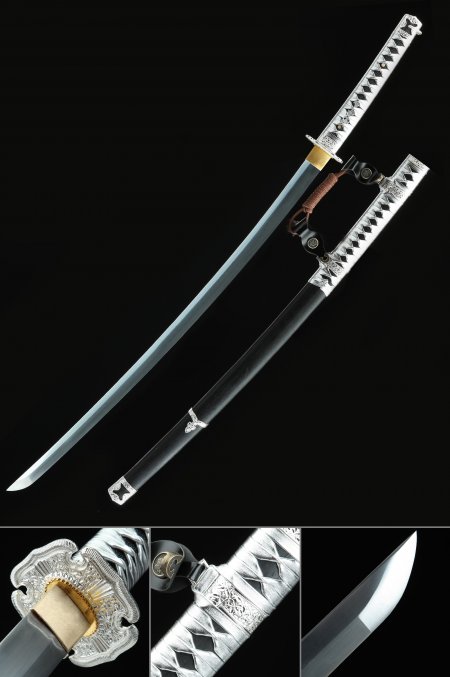
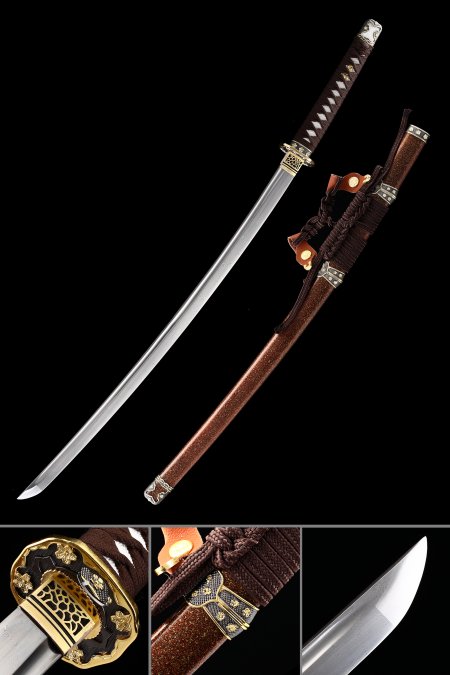
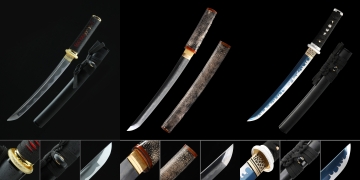
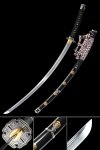
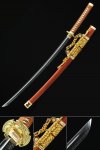
Full Tang Tachi Sword

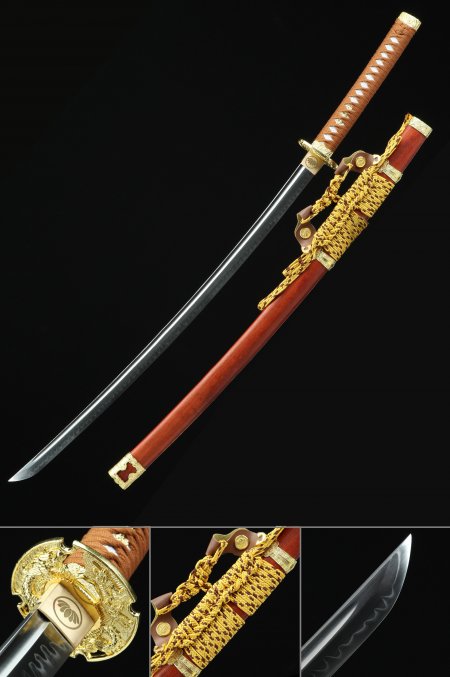
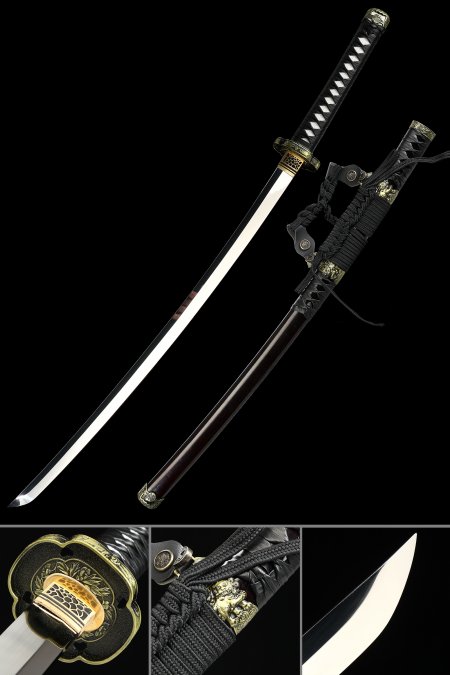
Full tang tachi swords represent one of the most distinguished forms of classical Japanese blade artistry - longer than a standard katana, worn edge-down, and built around a construction method where the steel runs uninterrupted from tip to pommel. Every piece in this collection is hand-forged from quality carbon or Damascus steel, fitted with authentic koshirae including lacquered saya, wrapped tsuka, and ornamental tsuba. Whether you're adding to a curated display or studying classical blade geometry, these tachi offer genuine structural integrity and visual grandeur. Enjoy free standard shipping on all orders, plus easy returns for a worry-free collecting experience.
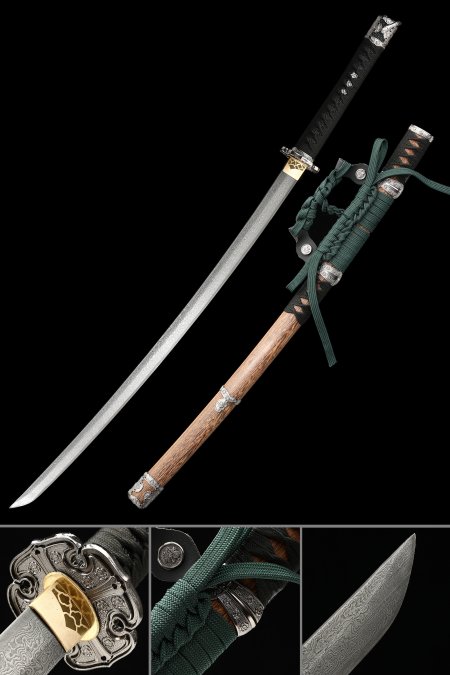
Showing 11 Products

Related Collections

Short Tanto98 items


339 Reviews

Full Tang Sword100 items


1680 Reviews

Japanese Sword124 items


895 Reviews

Full Tang Tanto27 items


277 Reviews

Frequently Asked Questions

What makes a tachi different from a katana?
The tachi and katana are often grouped together, but they differ in meaningful ways. The tachi is typically longer - often exceeding 70 cm in nagasa - and carries a more pronounced curvature that originates closer to the tang rather than the middle of the blade. Historically, it was worn suspended edge-down from the belt, which influenced both the blade's geometry and the way koshirae components like the tsuba and saya were oriented. The katana, by contrast, is worn edge-up and tends to have a flatter curve optimized for a different drawing motion. For collectors, these distinctions affect how a piece is displayed, how the fittings are arranged, and what period of Japanese sword history the blade represents.
Why does full tang construction matter for display swords?
Full tang means the steel billet runs continuously from the blade's tip all the way through the handle to the pommel - a single unbroken piece of metal. Partial-tang designs use a shortened steel stub that is glued or pinned inside the handle, creating a structural junction that can loosen over time, particularly in changing humidity and temperature conditions common in display environments. A full tang eliminates that junction entirely, giving the assembled piece long-term dimensional stability. For a tachi, where blade length creates greater leverage forces at the handle connection, full tang construction is especially relevant to the integrity of the piece over years of display and occasional handling.
How do I tell 1095 carbon steel apart from Damascus on a tachi?
1095 carbon steel blades have a uniform surface that, after polishing, shows a clean mirror or satin finish depending on the grinding stage. Their most distinctive visual feature is the hamon - the temper line produced by clay differential hardening - which appears as a misty, undulating boundary between the harder edge zone and the softer spine. Damascus steel, by contrast, displays a layered grain pattern across the entire blade surface, revealed through acid etching after forging. The pattern results from folding and welding multiple steel layers together, and no two Damascus blades produce an identical design. Both are legitimate collecting formats; the choice comes down to whether you prefer the historical authenticity of a classic hamon or the visual complexity of pattern-welded layering.
How should I store a full tang tachi long-term?
Long-term storage for a carbon or Damascus steel tachi requires attention to three factors: moisture, contact surfaces, and periodic maintenance. The blade should be lightly coated with a neutral oil - traditional choji oil or a modern equivalent - before being sheathed in the saya. Store the assembled piece horizontally or on a display stand away from direct sunlight and heat sources, both of which accelerate oxidation and can cause lacquered saya finishes to crack. Avoid storing the blade in a closed leather or fabric case for extended periods, as these materials can trap humidity against the steel. Check the blade every few months, wipe it clean with a soft cloth, and reapply oil as needed. The tsuka wrap should also be inspected periodically for loosening near the knot points.
Is a full tang tachi a good choice as a collector's gift?
A full tang tachi makes a compelling gift for someone with an established interest in Japanese history, classical blade formats, or East Asian decorative arts. The tachi's historical depth - predating the katana and associated with the mounted samurai of the Heian and Kamakura periods - gives it a narrative weight that generic display swords lack. When selecting one as a gift, consider the recipient's existing display aesthetic: lacquered saya in deep red or black suit more formal settings, while natural rosewood or teal finishes work well in contemporary interiors. Tsuba motifs like chrysanthemum or plum blossom carry specific cultural symbolism that adds a layer of meaning for recipients who appreciate Japanese iconography. Pairing a tachi with a dedicated display stand completes the presentation.

Customer Reviews

Paul Sproesser Maryland, United States

The sword is very cool for the price, however what I do not like about it is the visible hot glue that I can see from when it was put together. Also the rope handle on the sheath has come loose and the pieces that connect the rope to the sheath slide freely on the sheath. The inside of the sheath leaves wood chips on the blade when it is drawn or put back inside. Still I do like the way it looks and I keep it in my room.
Nodachi Sword 1095 Carbon Steel Dark Red Blade with Vine Engraving, Brown Hardwood Saya, Chrysanthemum Tsuba Nodachi Sword 1095 Carbon Steel Dark Red Blade with Vine Engraving, Brown Hardwood Saya, Chrysanthemum Tsuba
Cart 0 Items

Your cart is empty