FAST SHIP
Free Shipping
139.00 USD
ON SALE! 20% OFF
Was: 179.00 USD

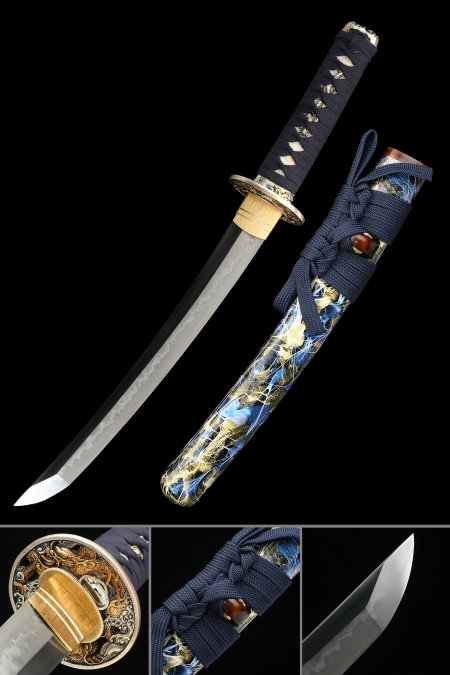
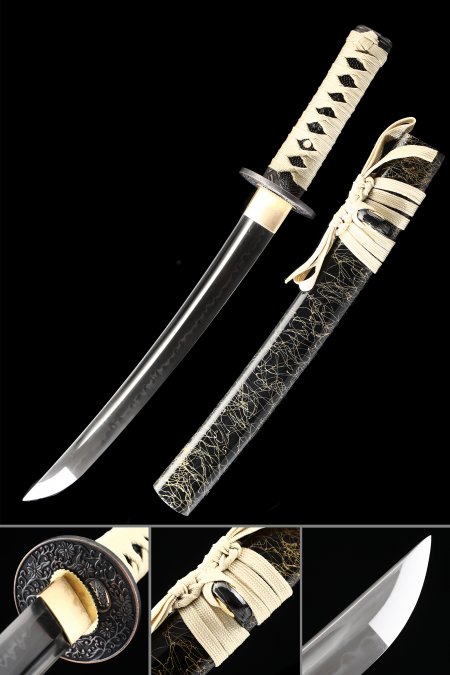
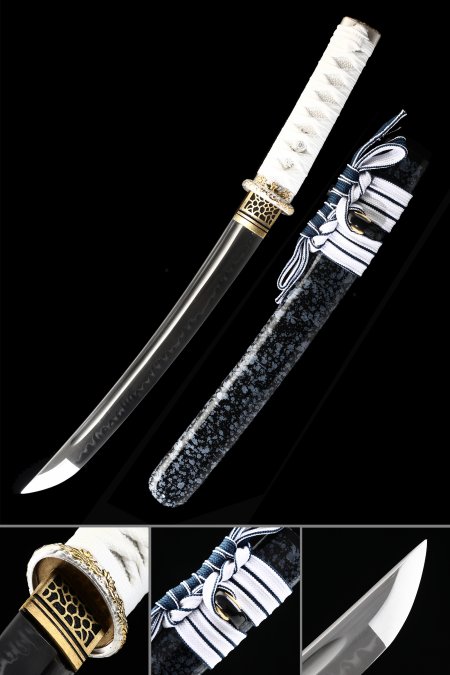
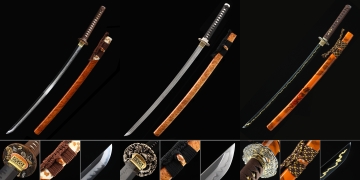
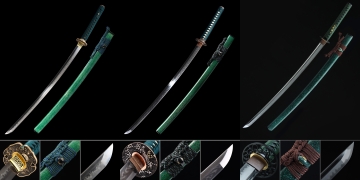
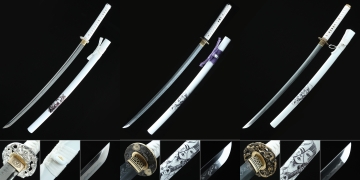
Each Marble T10 Carbon Steel Tanto in this collection is hand-forged from high-carbon T10 tool steel and clay tempered to produce a genuine hamon line along the blade. The striking marble-finish saya, paired with thoughtfully matched tsuba designs and ito wraps, makes every piece a standout display item as much as a testament to traditional Japanese craftsmanship. Free standard shipping is included on all orders, and we back every purchase with a hassle-free return policy so you can collect with confidence.
I have received the product and it is a beautiful sword and peice of artwork. I will keep it and use it to cut my fish on my boat.
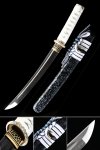 |
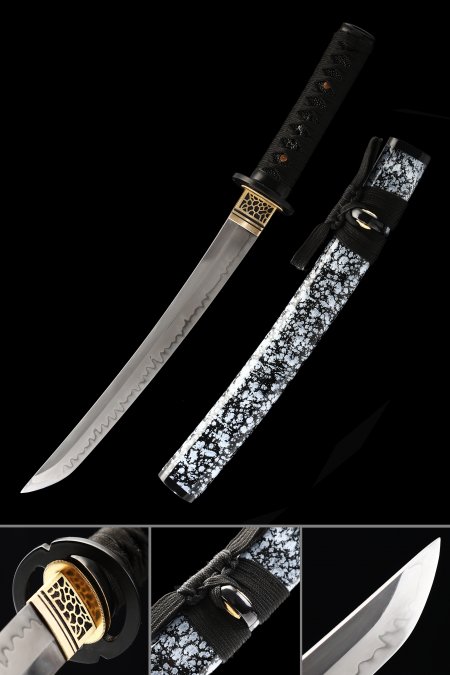
T10 Carbon Steel Clay Tempered Tanto with Real Hamon - Speckled Black Saya in White Tsuka Wrap |
This Beautiful tanto sword was purchased for one of my sons. The sword is made with good quality material and excellent craftsmanship. It was so surprisingly nice that my husband wants one. So, I will be purchasing more of them. Thank you!
|
T10 Carbon Steel Clay Tempered Tanto with Real Hamon - Speckled Black Saya in White Tsuka Wrap |
This piece is beautiful. The only reason I took off a star was for minor quality control issue. A few scuffs. Other than that it really nice.
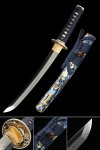 |
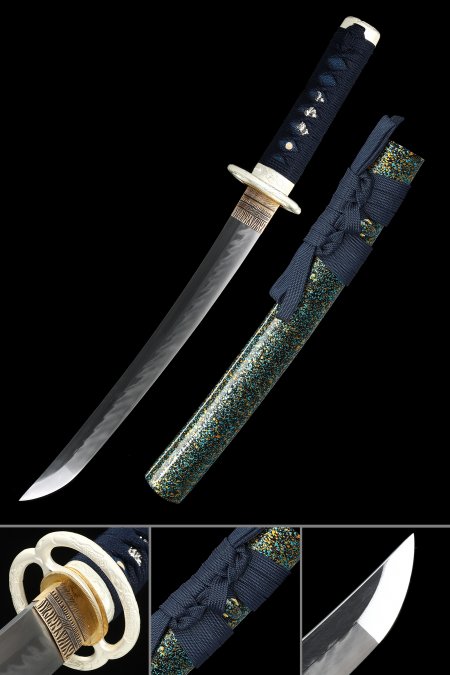
T10 Carbon Steel Tanto with Real Hamon in Dragon Tsuba - Blue-Gold Marble Saya, Dark Blue Ito |
This was meant to be a present for my little sister and she adores it! I really like it too so I want to get one for myself!
Good quality, heavy blade and discreet packaging so the posties wont' try to nick it or spoil what it is for a present.
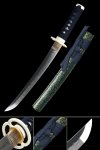 |
Japanese Tanto T10 Steel Real Hamon Blade with Teal Lacquer Saya - Dark Blue Cord Handle |
Could be sharper and I am not sure the ray skin is real. But it’s a pretty good deal.
|
T10 Carbon Steel Clay Tempered Tanto with Real Hamon - Speckled Black Saya in White Tsuka Wrap |
Yes I recently purchased this small katana which im Impress with from “true katana”
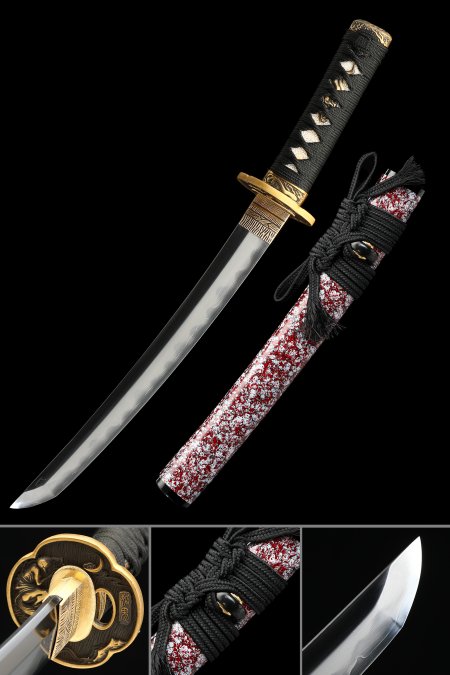
Now I will say the small katana is 10 high carbon steel, with a sharp edge , clay tempered and so on. It’s handmade and very well build, I love the design the iron tusba has flower design which nice and the scabbard has a beautiful design on it as well.
I love this small sword and I love looking at it and I love the way it feels when I hold it in my hand too.
Also I would like to thank karatemart for the beautiful selection of weapons they produce and the fast shipping delivery which took a few days but that the process ….. thanks again I recommend this weapon and will buy again👍
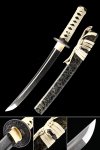 |
T10 Carbon Steel Japanese Tanto with Clay Tempered Hamon in Black Gold-Thread Saya with Floral Tsuba |
This is a good tiny sword I like it a lot but the on downside is that the blade is kind of dull and it’s fake ray skin but understand for the price point but otherwise it’s a beautiful blade!
|
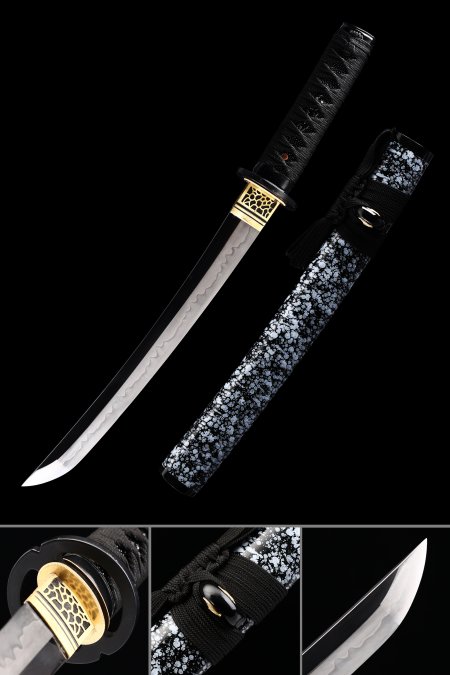
T10 Carbon Steel Clay Tempered Tanto with Real Hamon - Speckled Black Saya in White Tsuka Wrap |
Truly a peice of art. Would definitely buy from Truekatana again.
|
T10 Carbon Steel Clay Tempered Tanto with Real Hamon - Speckled Black Saya in White Tsuka Wrap |