
Decorative Broadsword
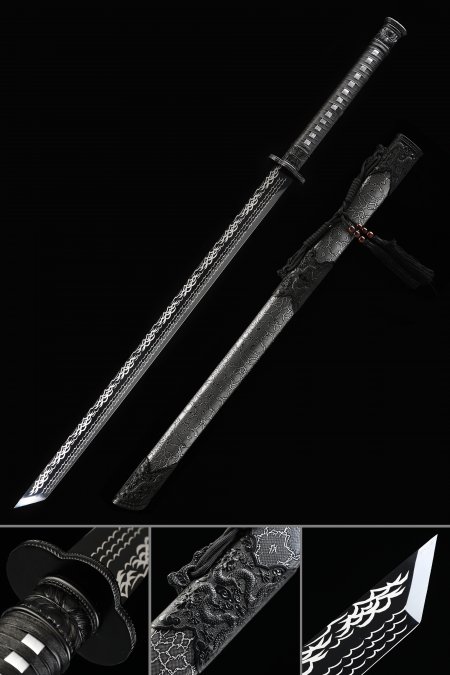
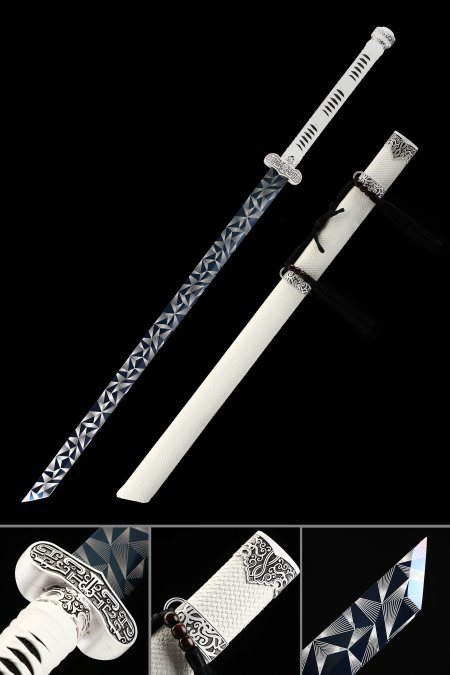
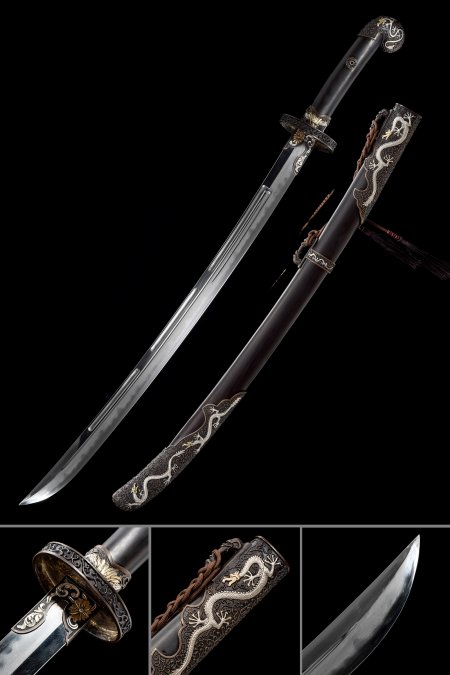
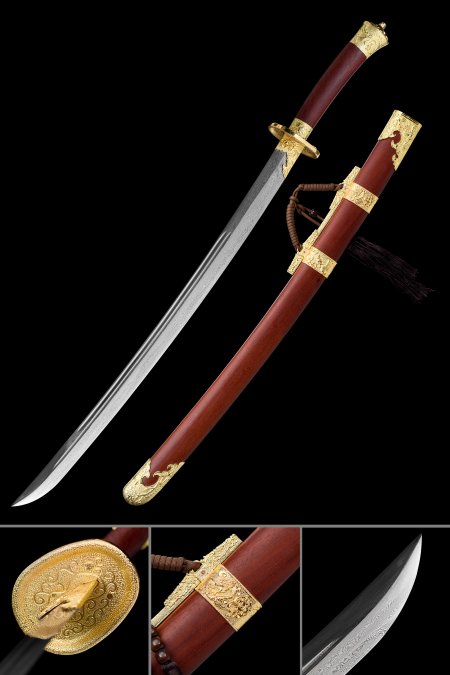
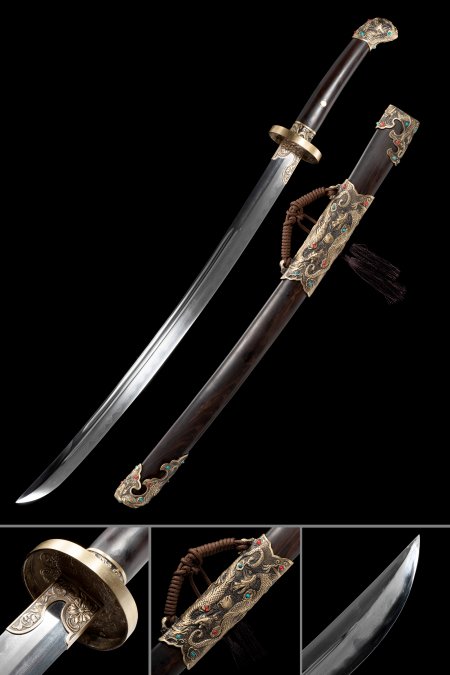
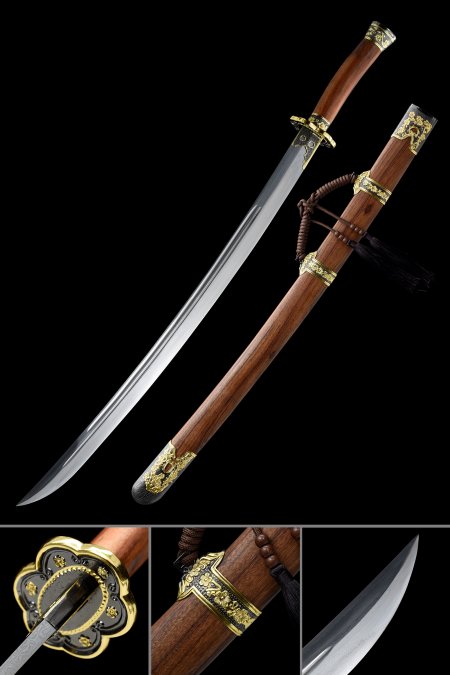
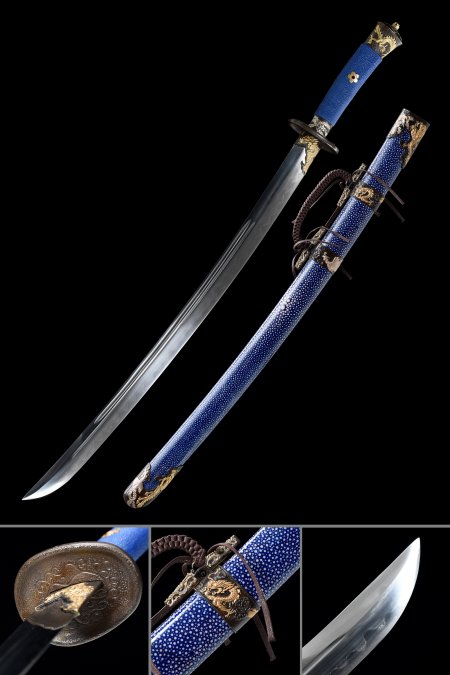
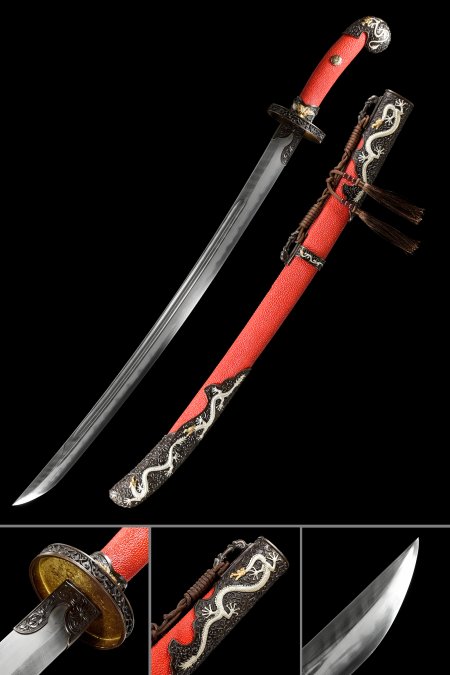
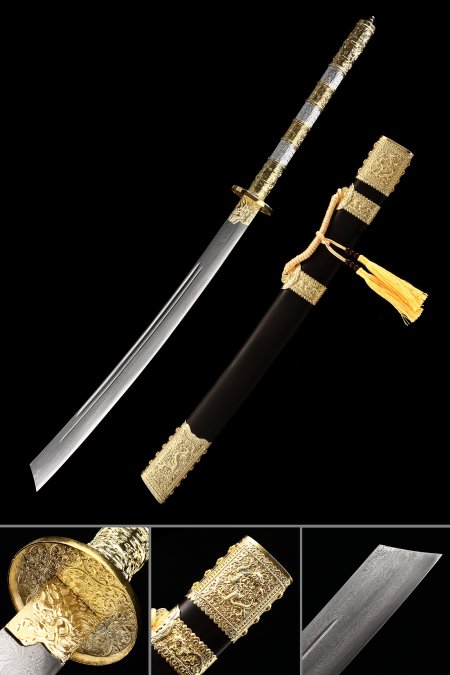
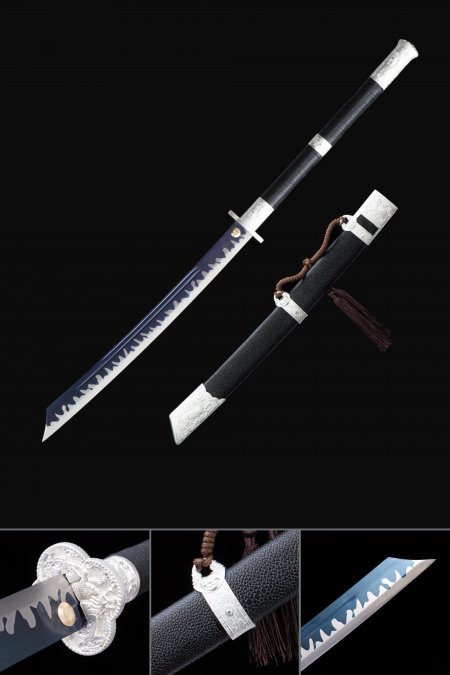
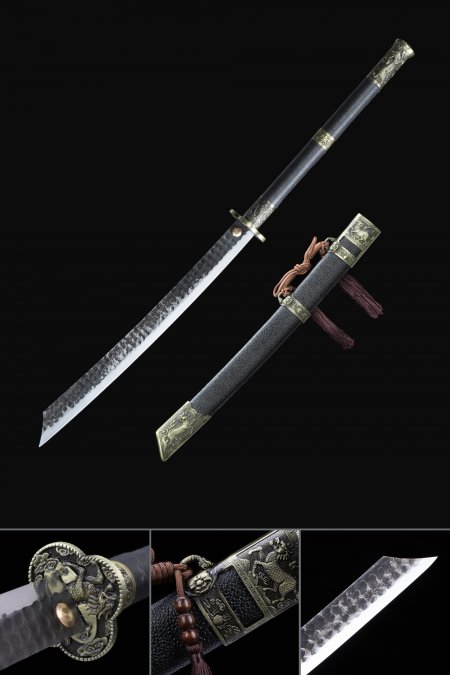
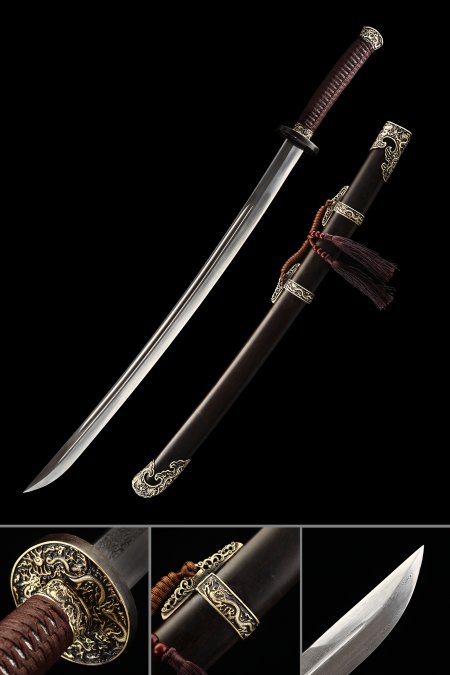
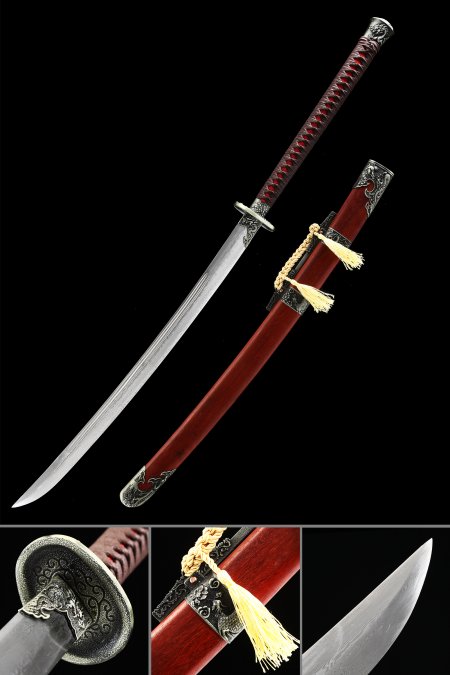
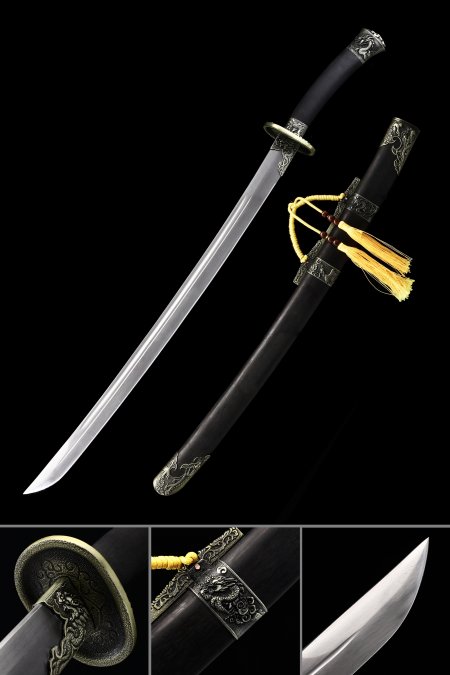
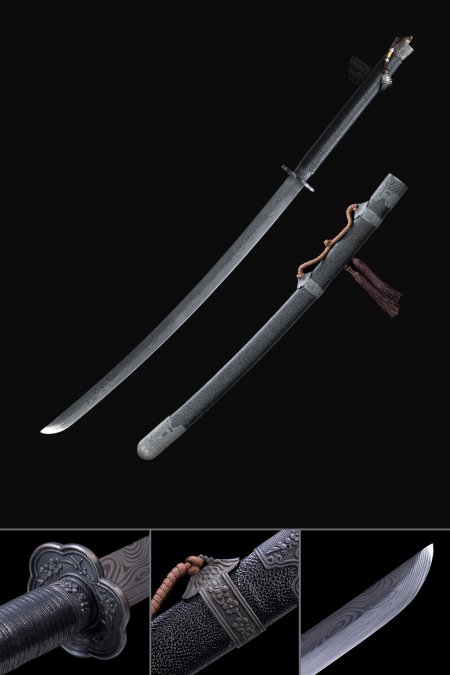
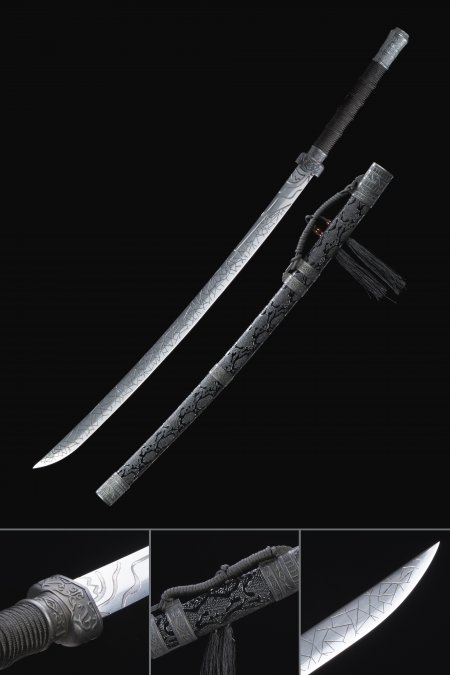
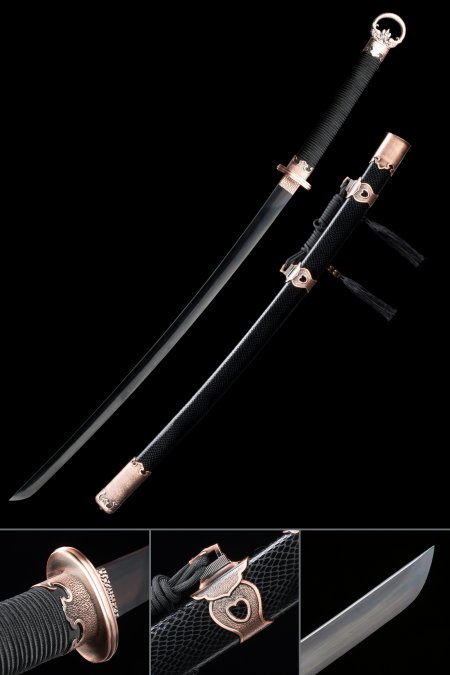
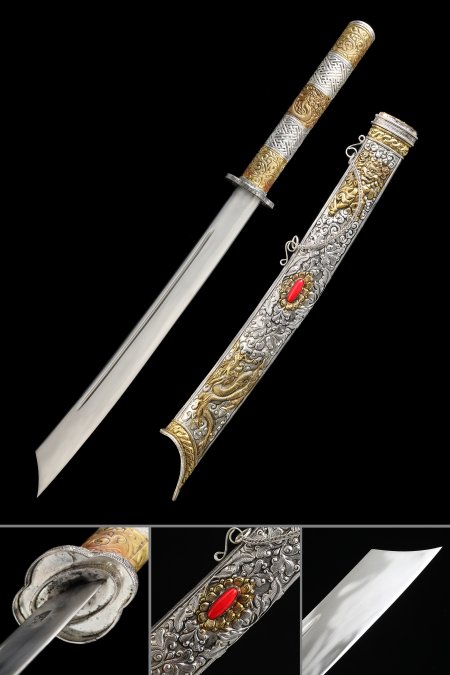
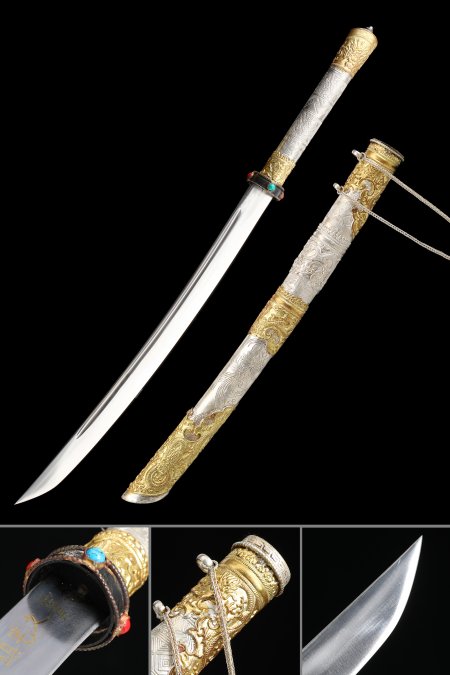
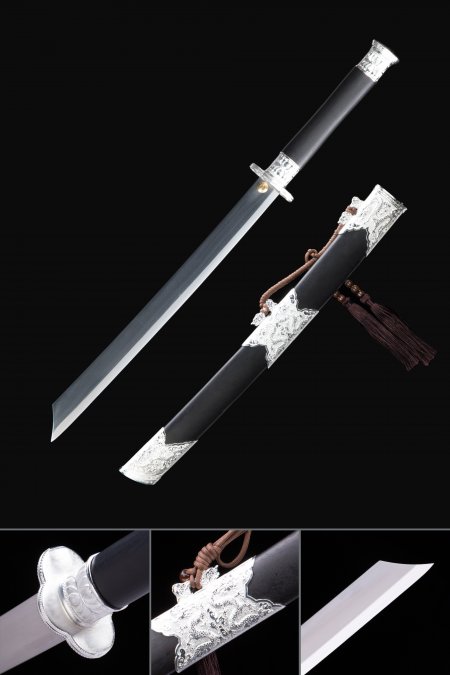
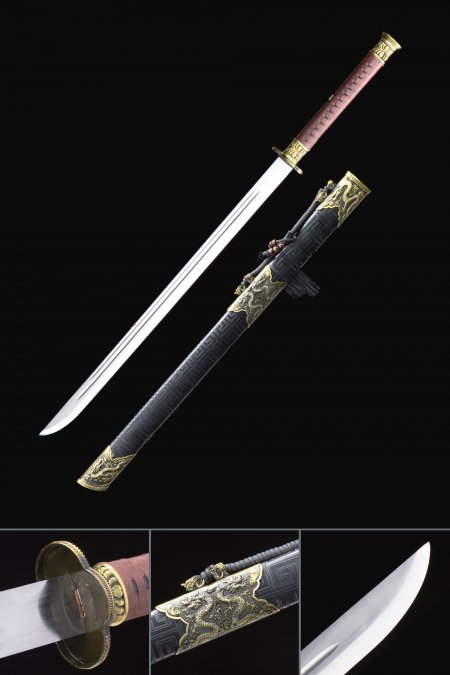
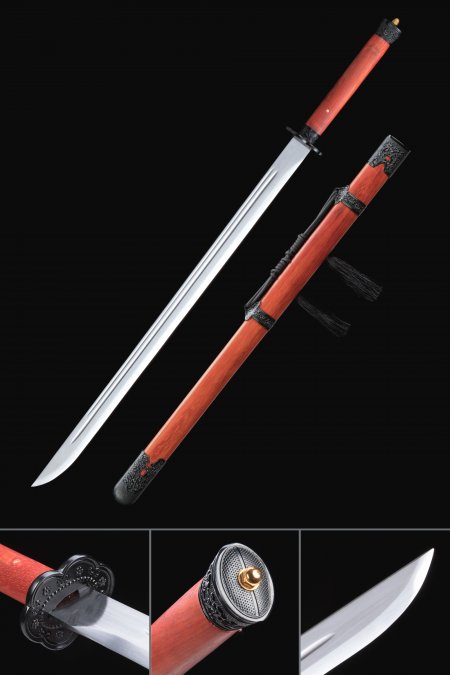
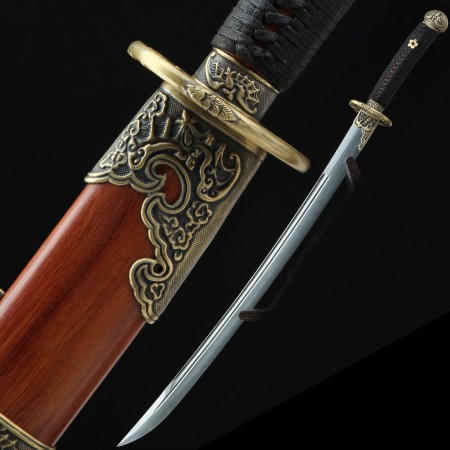
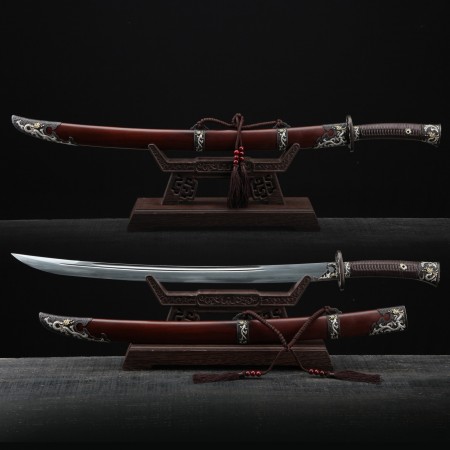
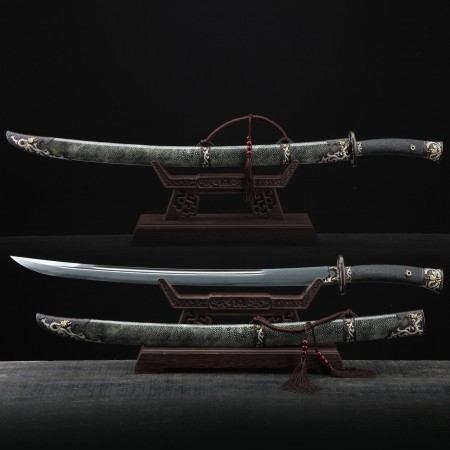
Explore our Decorative Broadsword collection — featuring Qing Dynasty dao reproductions, oxtail dao sabers, and traditional Chinese broadswords crafted from folded steel, Damascus steel, and carbon steel with rosewood and ebony scabbards. Each piece is designed for display and collecting. Every order ships with free standard shipping and hassle-free returns.
Related Collections
Sharp Katana26 items
handforged katana128 items
Decorative Wakizashi81 items
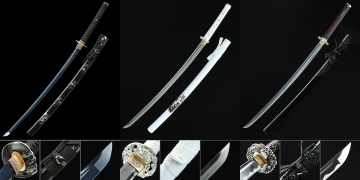
Decorative Katana109 items
Frequently Asked Questions
What steel types are used in decorative broadswords?
How does an oxtail dao differ from a Kangxi chop saber?
What is the best way to display a decorative broadsword?
How should I maintain a carbon steel decorative dao?
Are decorative broadswords full-tang construction?
Customer Reviews
very satisfied with the miao dao sword,I might purchase another one about April or, May.
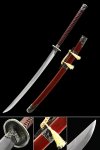 |
Handmade Chinese Dao Broadsword - 1045 Carbon Steel Qing Dynasty Saber With Dragon Scabbard |
Service is excellent! product was delivered by the time they promised. Had a few questions & customer service was very quick to respond and assist. Item came & is beautiful! Gift for my son & he is extremely happy with the broadsword!
|
Handmade Chinese Dao Broadsword - 1045 Carbon Steel Qing Dynasty Saber With Dragon Scabbard |
Very excellent piece!Absolutely beautiful craftsmanship!Sturdy and reliable!Would highly recommend!
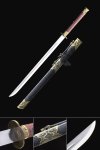 |
Handmade Spring Steel Straight Blade Chinese War Dao Broadsword With Black Scabbard |
Verry good Don't like how the tang looks and it's not that sharp but otherwise 5 star verry good
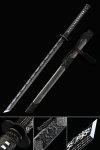 |
Chinese Dao Broadsword - Manganese Steel Black Blade With Dragon Scale Leather Scabbard 44 Inches |
The sword is absolutely beautiful. Super high quality! Would recommend to anyone.
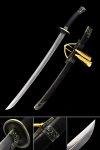 |
Oxtail Dao - Clay Tempered 1095 Carbon Steel Chinese Broadsword With Ebony Scabbard |
Very good to excellent construction. Ideal weight, not too light or flimsy and not too heavy. Great weight. Overall, an EXCELLENT piece.
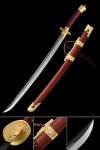 |
Handmade Chinese Qing Dynasty Sword With Rosewood Scabbard - Broadsword |
I bought this sword for my son. It was for his 18th Birthday. He loved it. We were both impressed with the look feel and quality of workmanship. Absolutely worth the price. If you can even put a price on the love and admiration of a 18 year old son this day and age. Mission Accomplished!!!
|
Handmade Chinese Dao Broadsword - 1045 Carbon Steel Qing Dynasty Saber With Dragon Scabbard |
really clean sword, the end of the hilt is a bit scuffed but besides that really nice overall.
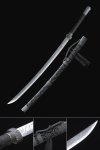 |
Chinese Dao Broadsword - Manganese Steel Full Tang With Textured Black Scabbard & Alloy Fittings |


