FAST SHIP
Free Shipping
159.00 USD
ON SALE! 20% OFF
Was: 199.00 USD

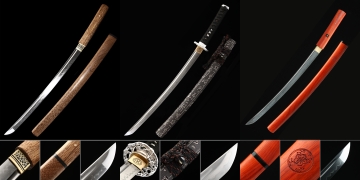
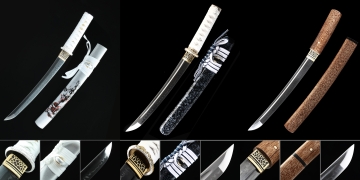
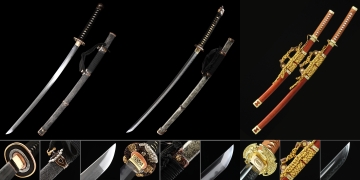
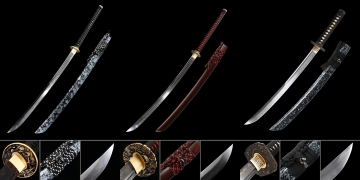
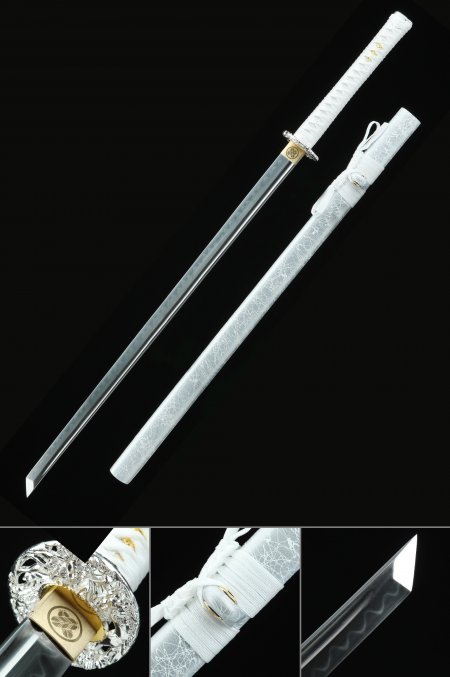
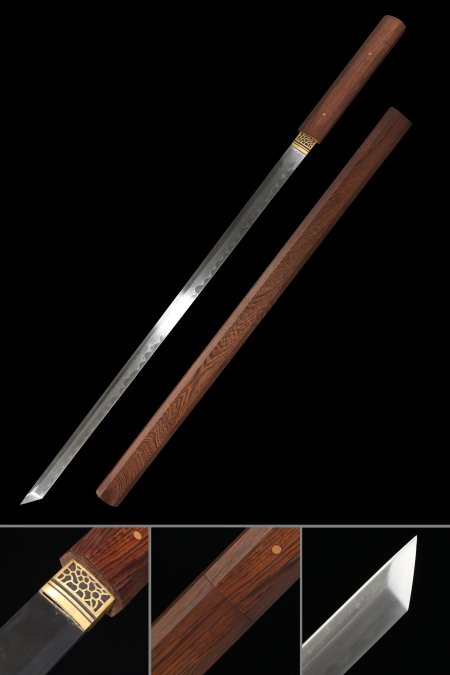
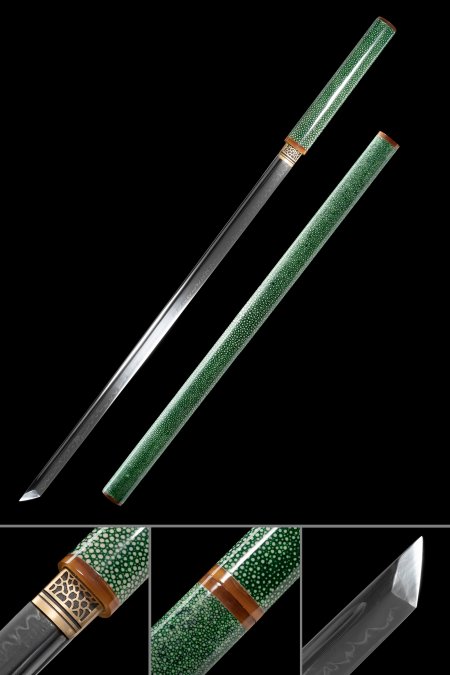
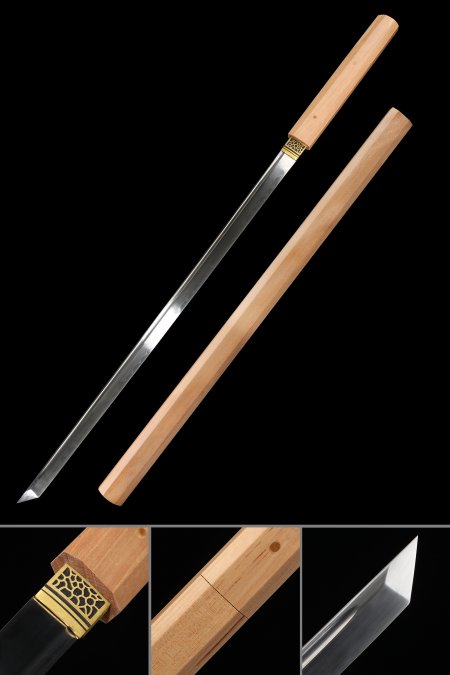
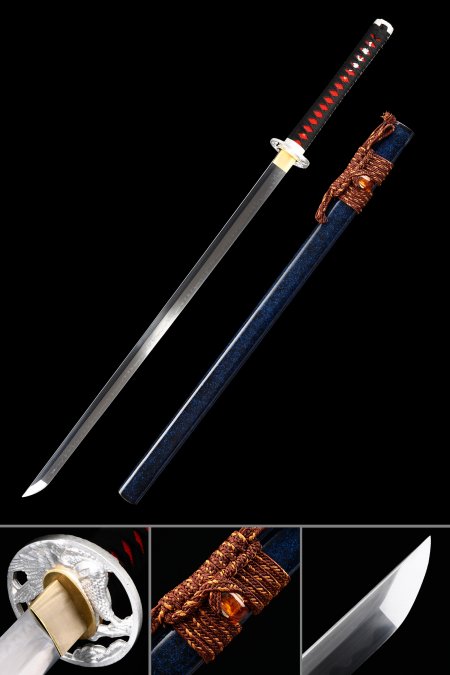
Explore our T10 Ninjato collection — straight-bladed chokuto swords forged from high-carbon T10 tool steel and clay tempered to produce a genuine hamon line. Each piece features a full-tang construction with hand-fitted fittings, authentic saya finishes, and alloy tsuba designs suited for refined display. Free shipping and free returns on every order.
Received my Shinai in record time, very satisfied with the quality. Will definitely shop there again.
 |
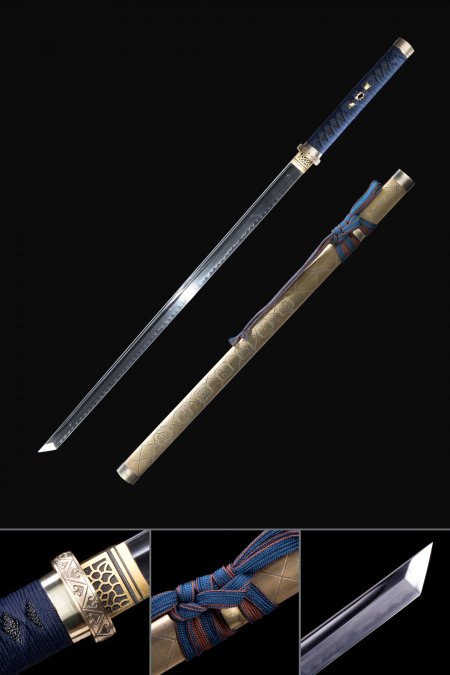
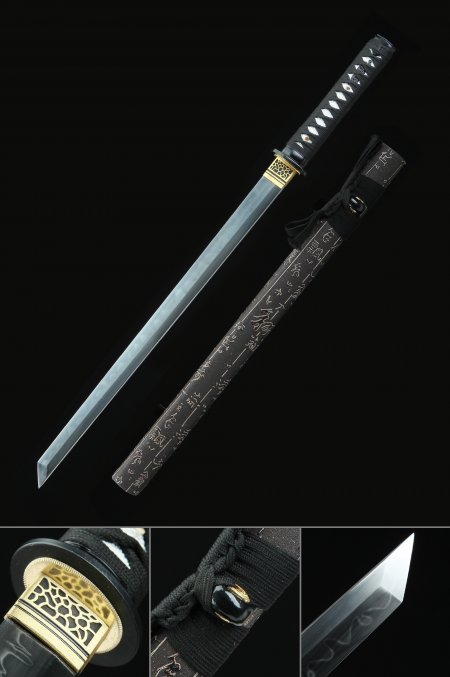
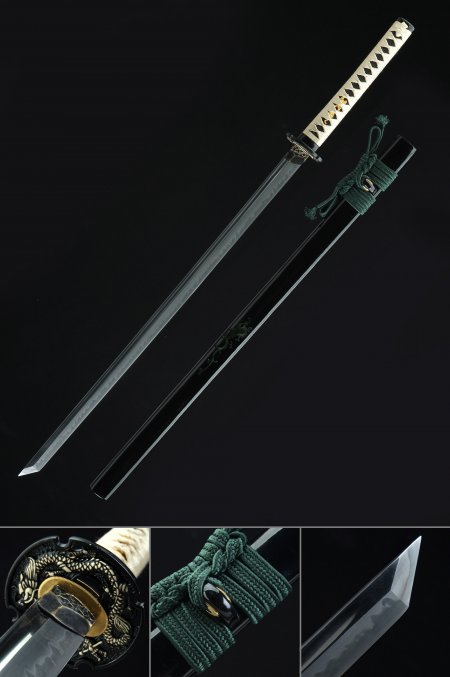
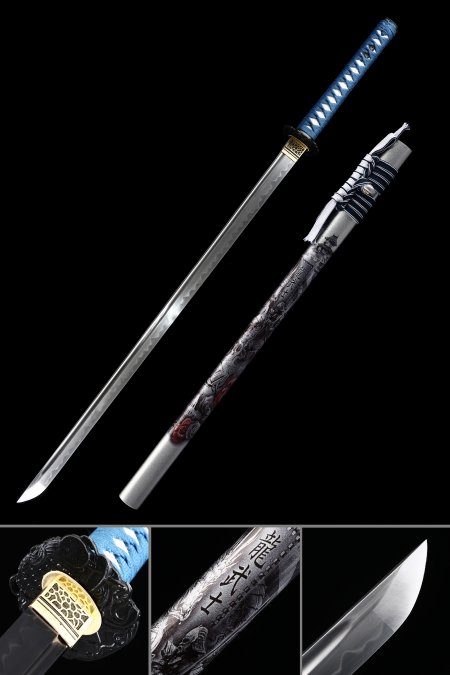
T10 Carbon Steel Ninjato with Real Hamon, Blue Ito & Dragon-Engraved Silver Saya |
Very nice quality sword. Very well crafted, sharp, and looks great on display. Came packaged very well. Over, very nice product and will certainly purchase more in the future.
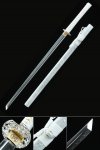 |
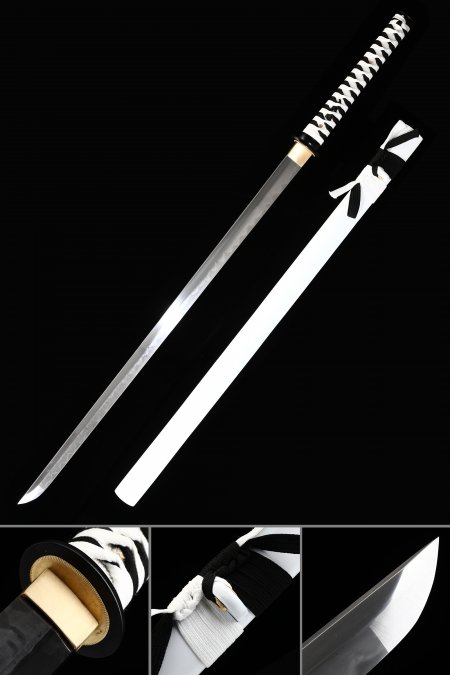
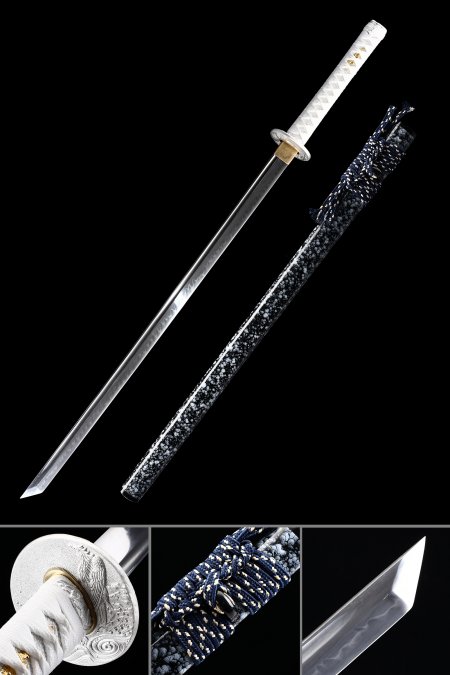
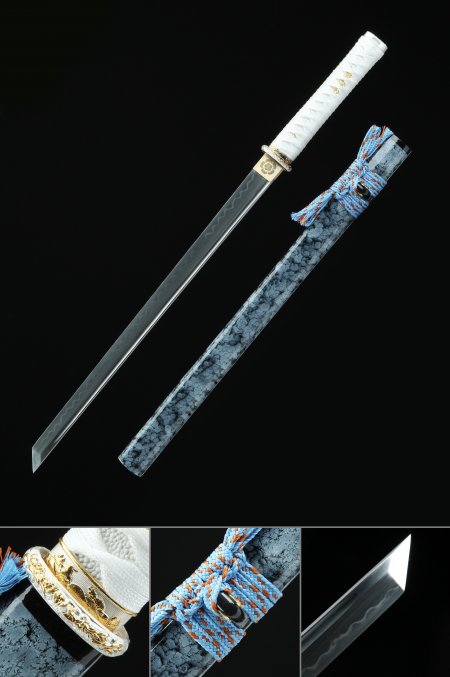
T10 Carbon Steel Chokuto Ninjato with Real Hamon in White Saya - Silver Orchid Tsuba Collectible Sword |
Like a true ninja it appeared on my doorstep. Beautiful work and it’s a real sword. Heavier than I expected and really solid. A beautiful piece of art that’s fully functional. Came from China and arrived really quickly. Thanks True Katana. Expect a few more orders from me in the near future
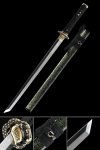 |
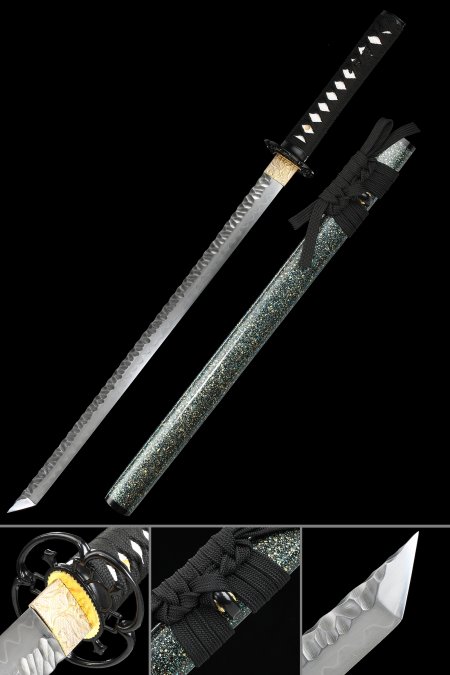
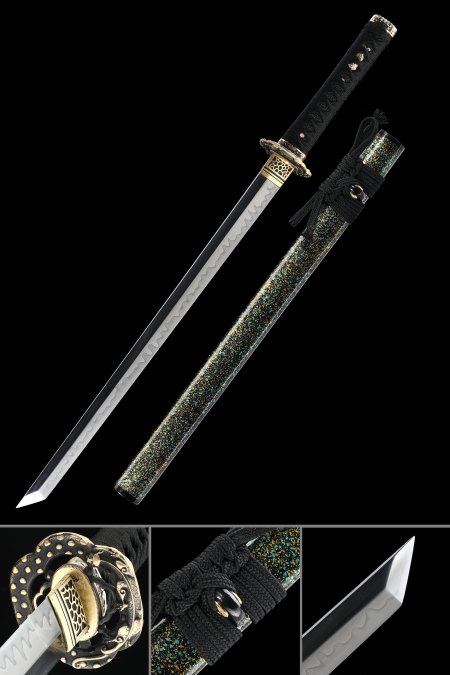
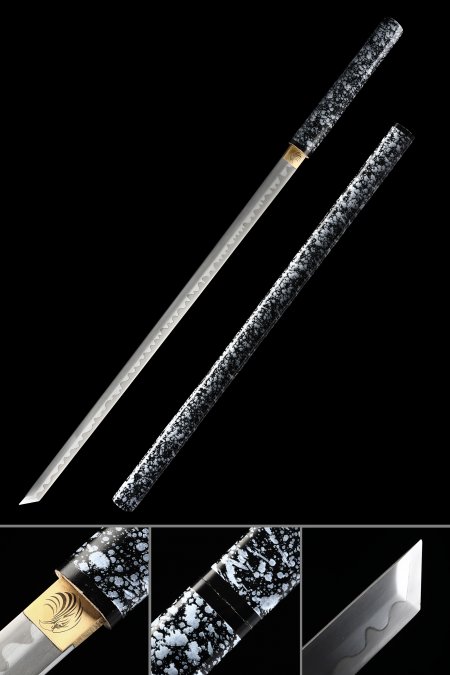
T10 Carbon Steel Ninjato with Hamon Blade in Multi-Color Glitter Saya - Black Cord Handle |
It’s very sharp, very lightweight and it came out great!!
|
T10 Carbon Steel Chokuto Ninjato with Real Hamon in White Saya - Silver Orchid Tsuba Collectible Sword |
Thank you for the amazing katanas and customer service!! Great company
|
T10 Carbon Steel Chokuto Ninjato with Real Hamon in White Saya - Silver Orchid Tsuba Collectible Sword |
It looks exactly how I wanted it but it came very dirty. It seems like the sleeve was a perfect size for the blade so I’m not sure how it got this dirty but I will give a update on how the sword is holding up after a few weeks/months.
|
T10 Carbon Steel Chokuto Ninjato with Real Hamon in White Saya - Silver Orchid Tsuba Collectible Sword |
Outstanding product as advertised. Sword is very sharp and was well packaged for shipment.
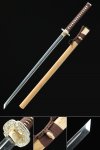 |
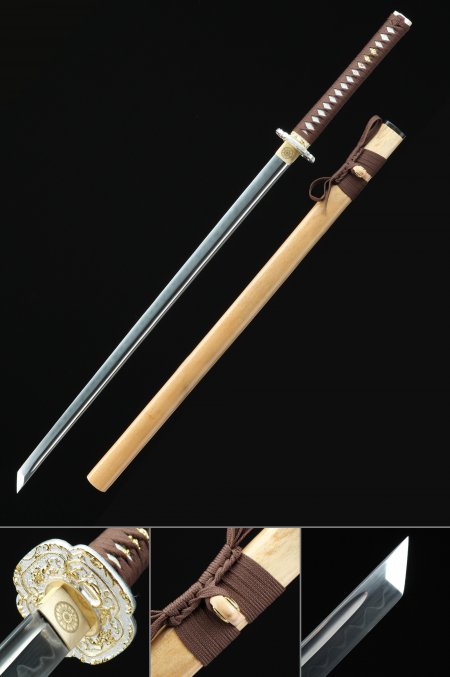
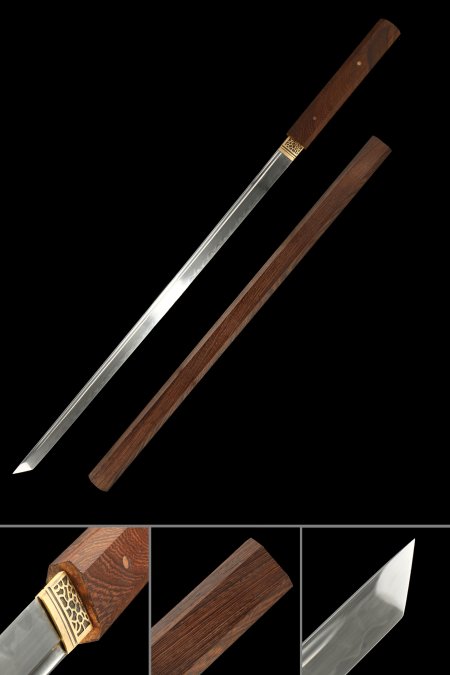
T10 Carbon Steel Chokuto Ninjato with Real Hamon - Natural Wood Saya, Brown Ito, Gold-Silver Tsuba |
Wow that was fast shipping ! Great quality looks great! Scabbard is tight !
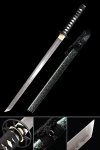 |
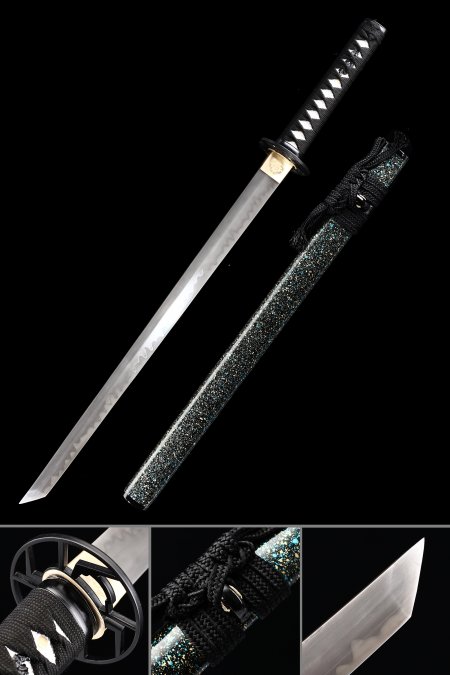
T10 Carbon Steel Ninjato with Real Hamon in Black-Teal Glitter Lacquer Saya - Full Tang Ninja Sword Replica |