FAST SHIP
Free Shipping
179.00 USD
ON SALE! 15% OFF
Was: 209.00 USD

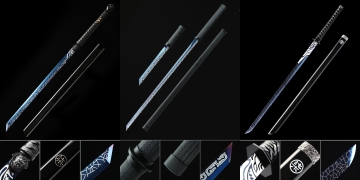
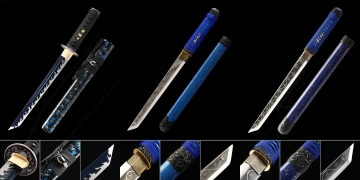
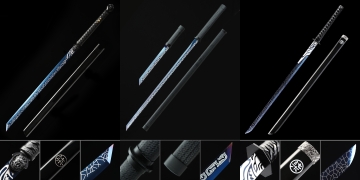
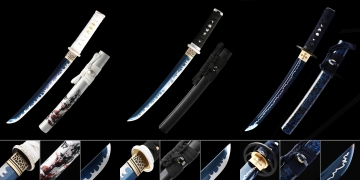
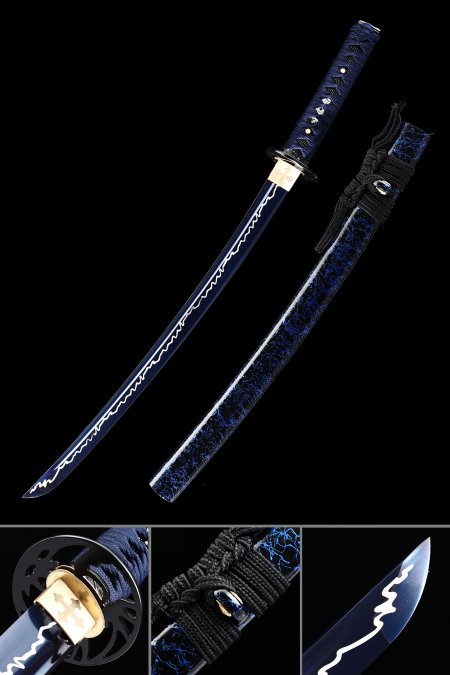
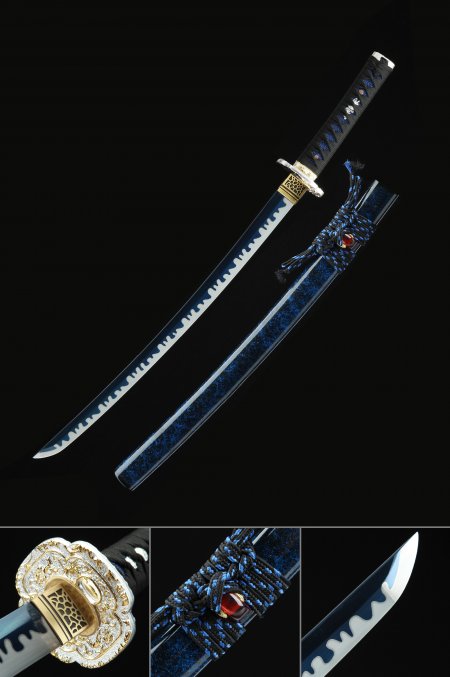
Each Blue Manganese Steel Wakizashi in this collection is individually hand-forged, showcasing the distinctive azure hue that high manganese steel develops through controlled heat treatment - a finish that sets these shorter blades apart from conventional polished offerings. Collectors will appreciate the meticulous attention paid to every fitting, from intricately cast tsuba to lacquered saya in deep navy tones. Enjoy free standard shipping on your order, backed by our hassle-free return policy.
Exactly as pictured & simply the finest I have ever owned. I am so impressed with the quality & elegance that I intend to additionally purchase the matching katana & tanto for the complete set. Two thumbs way up!
 |
Blue Blade Wakizashi Sword in High Manganese Steel with Lightning Hamon and Black-Blue Lacquered Saya |
Got this as a birthday gift for my dad and he loves it. Y’all’s swords are always made so well and with car. This wakizashi is great
|
Blue Blade Wakizashi Sword in High Manganese Steel with Lightning Hamon and Black-Blue Lacquered Saya |
I really like the weight of the sword, very solid and balanced in the hand, with a beautiful blue to the blade I am very pleased.
|
Blue Blade Wakizashi Sword in High Manganese Steel with Lightning Hamon and Black-Blue Lacquered Saya |
My son loves these katanas and says they are the best made! He thinks he’s a true ninja with this Katana and he’s thrilled! Thanks for making such authentic, beautiful pieces!
|
Blue Blade Wakizashi Sword in High Manganese Steel with Lightning Hamon and Black-Blue Lacquered Saya |
This is the 3rd I’ve purchased with True Katana. Swords are really good quality and look great. The turn around time from ordering to receiving is excellent. Love the company and will definitely be purchasing more in the future.
 |
Blue Manganese Steel Wakizashi with Dragon Tsuba, Dark Blue Lacquer Saya & Hamon |
Definitely high quality. When it says battle ready, they are not kidding. We are really happy with the speed. It looks just like the photo. This is my 3rd one purchased.
|
Blue Manganese Steel Wakizashi with Dragon Tsuba, Dark Blue Lacquer Saya & Hamon |
Swords are amazing. Way better than I expected. Got here very quick. Thank you again.
|
Blue Blade Wakizashi Sword in High Manganese Steel with Lightning Hamon and Black-Blue Lacquered Saya |