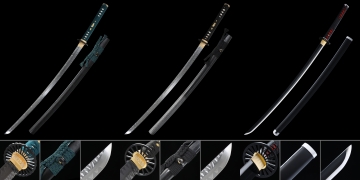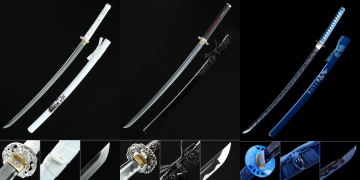
Daisho Set

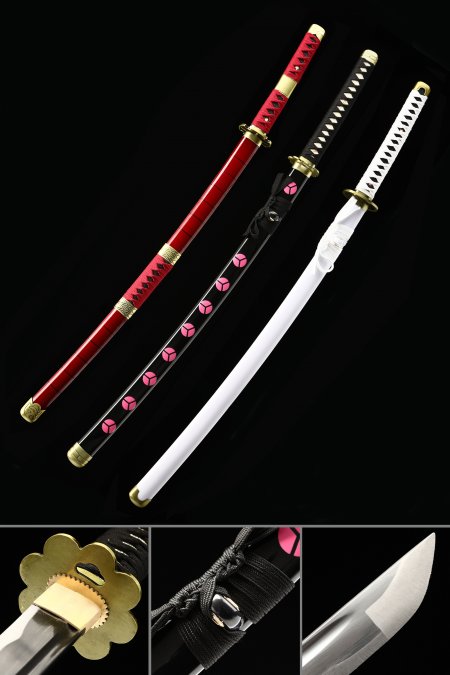
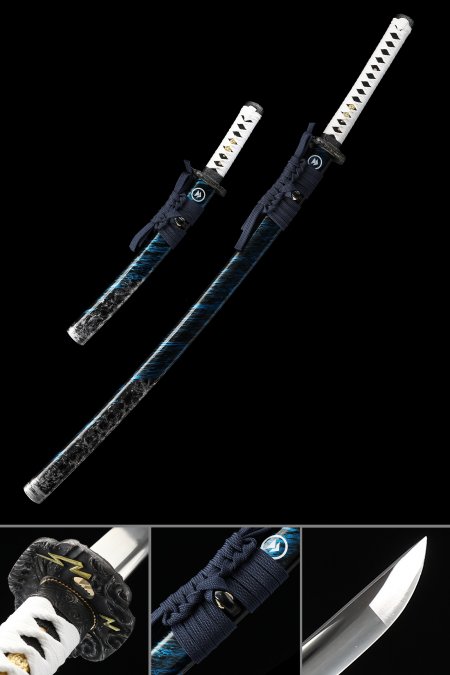
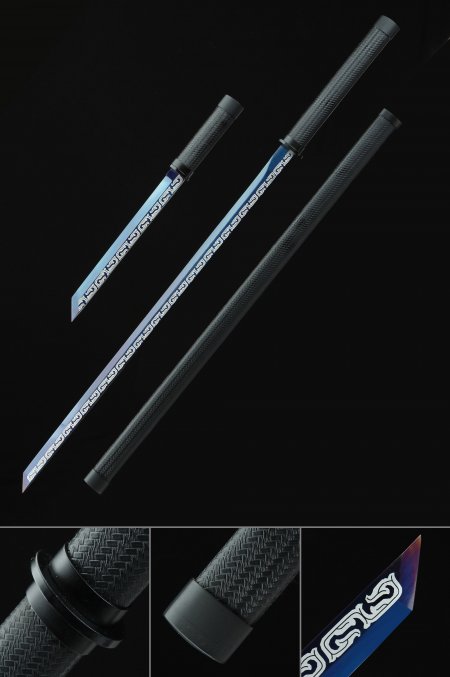
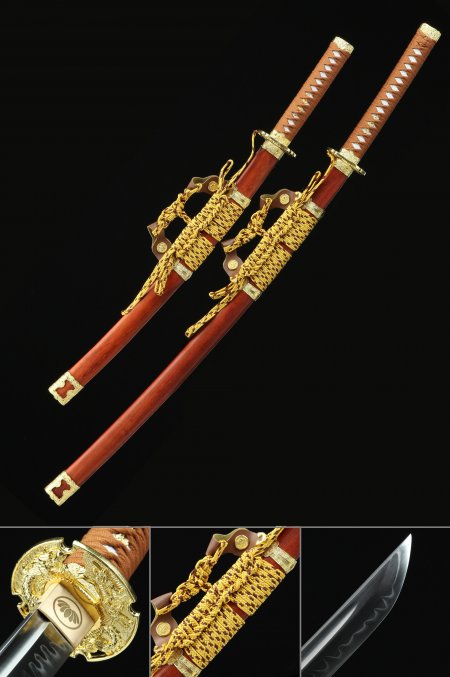
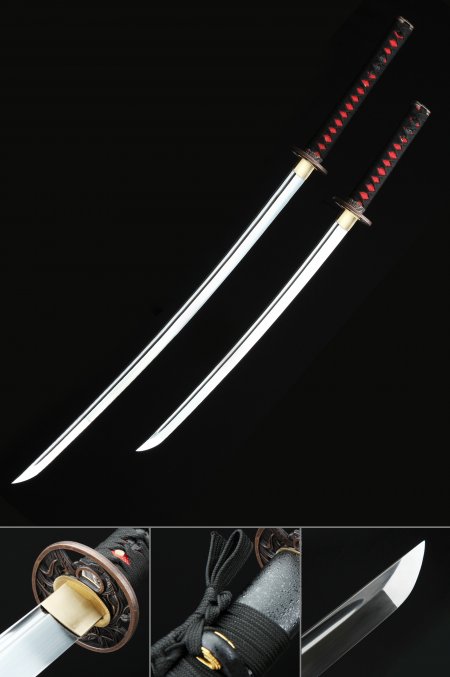
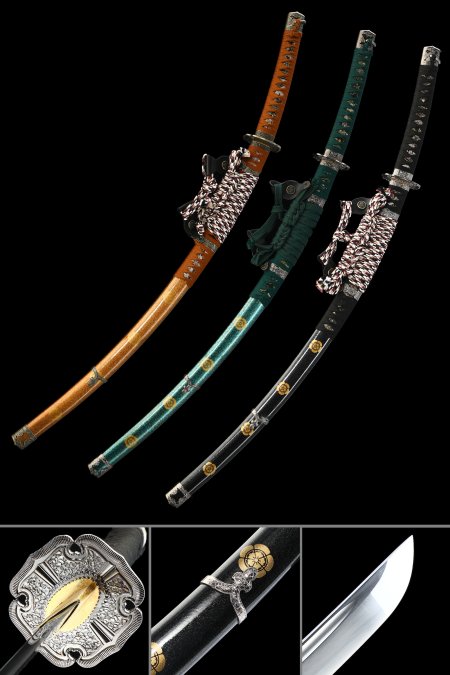
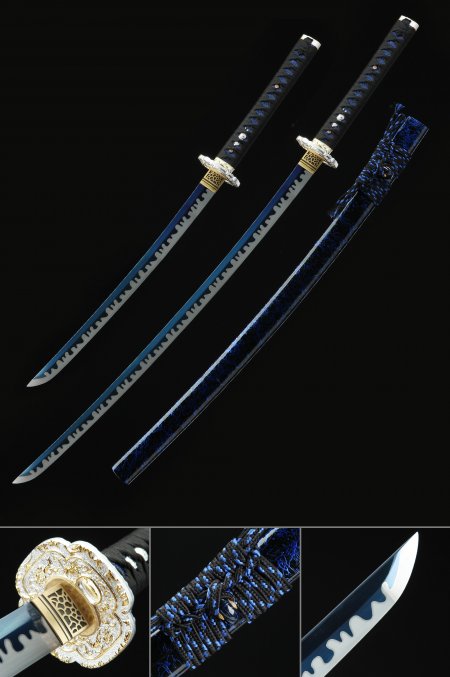
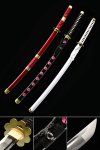
The daisho set — katana paired with wakizashi — stands as one of the most iconic symbols of samurai identity in Japanese history. Each set in this collection is crafted with careful attention to traditional proportions, authentic fittings, and quality steel, making every piece a worthy centerpiece for any serious display. Explore our full range of paired sword sets and find the combination that speaks to your passion for Japanese craftsmanship. Enjoy free shipping and hassle-free returns on every order.
Showing 10 Products

Related Collections

Shirasaya Sword84 items


557 Reviews

Demon Slayer Sword12 items


292 Reviews

Tanjiro Sword2 items


68 Reviews

Bastard Sword10 items


4 Reviews

Frequently Asked Questions

What defines a daisho set historically?
A daisho set is the pairing of a katana (the longer blade, typically over 60 cm) with a wakizashi (the shorter blade, typically 30–60 cm), worn together by members of the samurai class in feudal Japan. The term daisho literally means "big-little" in Japanese. What made this pairing significant was not just function but social meaning — only samurai were legally permitted to carry both blades simultaneously. The katana was set aside indoors, while the wakizashi remained on the person at all times, making it the more personal of the two. As a collectible display format, a matched daisho set is especially valued when both pieces share unified fittings — matching tsuba design, consistent saya lacquer, and coordinated ito wrap colors — because it reflects how historically paired sets were actually assembled.
How does T10 clay tempered steel differ from manganese steel in a daisho set?
T10 tool steel and manganese steel represent two distinct tiers of blade material, each with different visual and structural characteristics. T10 is a high-carbon tool steel that responds exceptionally well to clay tempering — a process where clay is applied to the blade before quenching, creating differential hardness between the edge and spine. This process produces a visible hamon, the wavy temper line running along the edge of the blade, which is one of the most prized visual features in traditional Japanese sword aesthetics. Manganese steel, by contrast, is a more impact-resistant alloy that offers durability and a clean finish but does not produce a natural hamon through clay tempering. For collectors prioritizing authentic metallurgical craftsmanship and visual detail, a T10 clay tempered daisho set offers a noticeably higher level of traditional character. Manganese steel sets tend to appeal to collectors who prioritize a bold, polished appearance with strong decorative fittings.
How should I store and maintain a paired sword display set?
Proper storage is essential to preserving both the blades and the wooden fittings of a daisho set. Blades should be lightly coated with a high-grade mineral oil or dedicated choji oil before storage to prevent surface oxidation, especially in humid climates. Avoid fingerprints on the blade surface, as the oils and acids from skin can cause micro-corrosion over time — use a soft cloth or cotton gloves when handling. Saya (scabbards) should be kept in a low-humidity environment; excessive moisture can cause the lacquered wood to crack or warp, and can encourage rust at the blade's surface near the koiguchi (mouth of the saya). For display, a horizontal katana stand that holds both swords — katana above, wakizashi below — is the traditional and visually correct format. Avoid placing the display in direct sunlight, which fades ito wrapping and can dry out wooden components over time.
Is a shirasaya daisho set different from a standard fitted set?
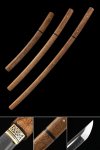
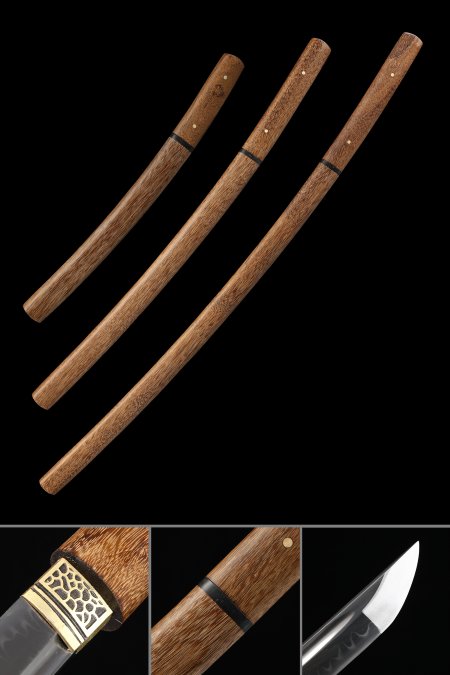
Yes, significantly. A shirasaya (白鞘) is a plain, unadorned wooden mount — typically made from ho wood or rosewood — with no tsuba, no menuki, and no decorative ito wrapping. The word translates roughly to "white scabbard," and the style was historically used as a storage mount to keep a blade safe between periods of use, rather than as a wearing mount. A shirasaya daisho set therefore presents a very different aesthetic compared to a fully mounted set: it is minimalist, refined, and almost meditative in its simplicity. Collectors drawn to the blade itself — its geometry, grain, and hamon — often prefer shirasaya mounts because nothing competes visually with the steel. A fully mounted daisho set, by contrast, offers the complete visual drama of tsuba, same (ray skin), ito, and lacquered saya, which is more representative of how the swords were actually worn.
Can a daisho set make a meaningful gift for a collector?
A daisho set is one of the strongest gift choices in Japanese sword collecting because it delivers a complete, self-contained display concept in a single purchase. Unlike a standalone katana, which a collector may already own in several variations, a matched daisho set offers something distinct — the historical and visual narrative of the paired swords together. Sets with a unified aesthetic, such as matching floral tsuba, coordinating saya color, and consistent ito wrap, display as a cohesive piece rather than two separate items. For someone new to collecting, a daisho set provides an immediately impressive display without requiring additional sourcing. For experienced collectors, a T10 clay tempered or shirasaya three-piece set offers meaningful material and craftsmanship details worth adding to an established collection. Presentation is enhanced when displayed on a dual-tier sword stand, which can be a thoughtful addition alongside the gift.

Customer Reviews

Alberto Sánchez Alabama, United States

Es algo increíble. Es arte gracias. Es más de lo que esperaba. Es elegancia, paz y fuerza juntas esto está hecho con el corazón con el alma. r
Ya también la adquirí para una presente a mi jefe pensé en algo único
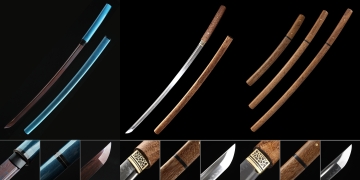
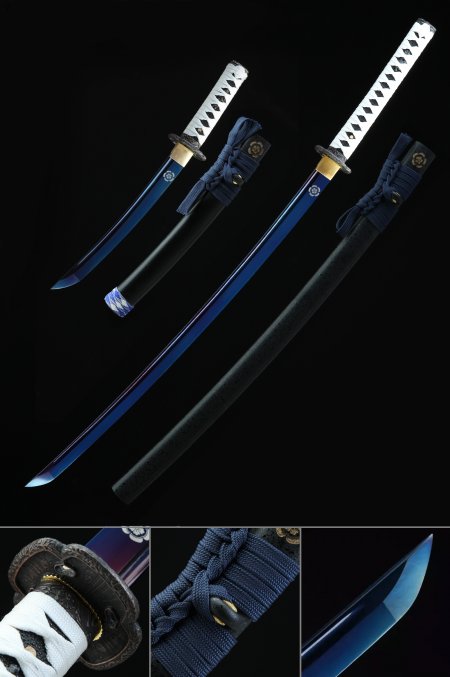
Handmade Japanese Katana And Tanto Sword Set With Blue Blade Handmade Japanese Katana And Tanto Sword Set With Blue Blade